The Institutionalisation of Poultry: Why 2026 is the Year of the Industrial Broiler Hub
11 Apr 2026
For decades, poultry farming was viewed as a traditional family business. However, as we move through 2026, a massive paradigm shift has occurred. Chicken farm investment has matured into a sophisticated, technology-backed asset class that rivals commercial real estate in stability and exceeds it in yield.
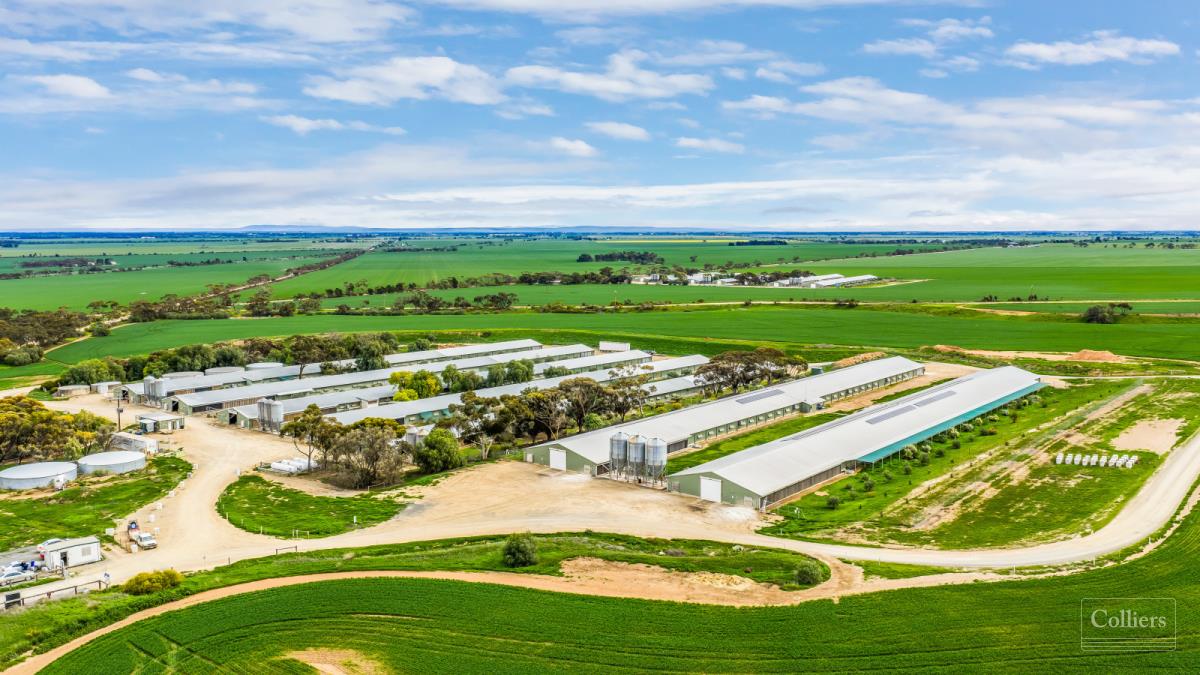
Today’s smart money isn't just buying "farms"; it is investing in Industrial Broiler Hubs—vertically integrated, energy-independent, and data-driven production centers. Here is why this sector is the ultimate inflation-hedge for the modern investor.
1. From "Farm" to "Financial Instrument"
What makes a chicken farm investment in 2026 different? It’s the move toward Passive Agricultural Yield. Investors no longer need to be "farmers." Through managed models like Agrolidya’s, the investment functions like a high-yield bond backed by physical land and a biological production machine.
Traditional vs. 2026 Smart Industrial Hubs
Feature             | Traditional Poultry Farm              | 2026 Smart Industrial Hub
--------------------|----------------------------------------|-----------------------------------------
Management          | Owner-operated (Labour intensive)       | Professional Management (Passive)
Energy Source       | Grid-dependent (High OPEX)             | Solar/GES Integrated (Low OPEX)
Data Usage          | Manual observation                     | AI-Driven Predictive Analytics
Ownership           | Often leased or shared                | 100% Freehold Title Deed
Income Cycle        | Irregular                              | Quarterly Payouts
2. The Mechanics of Efficiency: EPEF and FCR
In 2026, profitability is dictated by the EPEF (European Production Efficiency Factor). This score measures the technical success of a flock by combining weight gain, livability, and age against the FCR (Feed Conversion Ratio).
- The Gold Standard: A world-class facility aims for an EPEF of 420+
- The Impact: Moving from an EPEF of 350 to 420 can increase net profit per square meter by nearly 18%
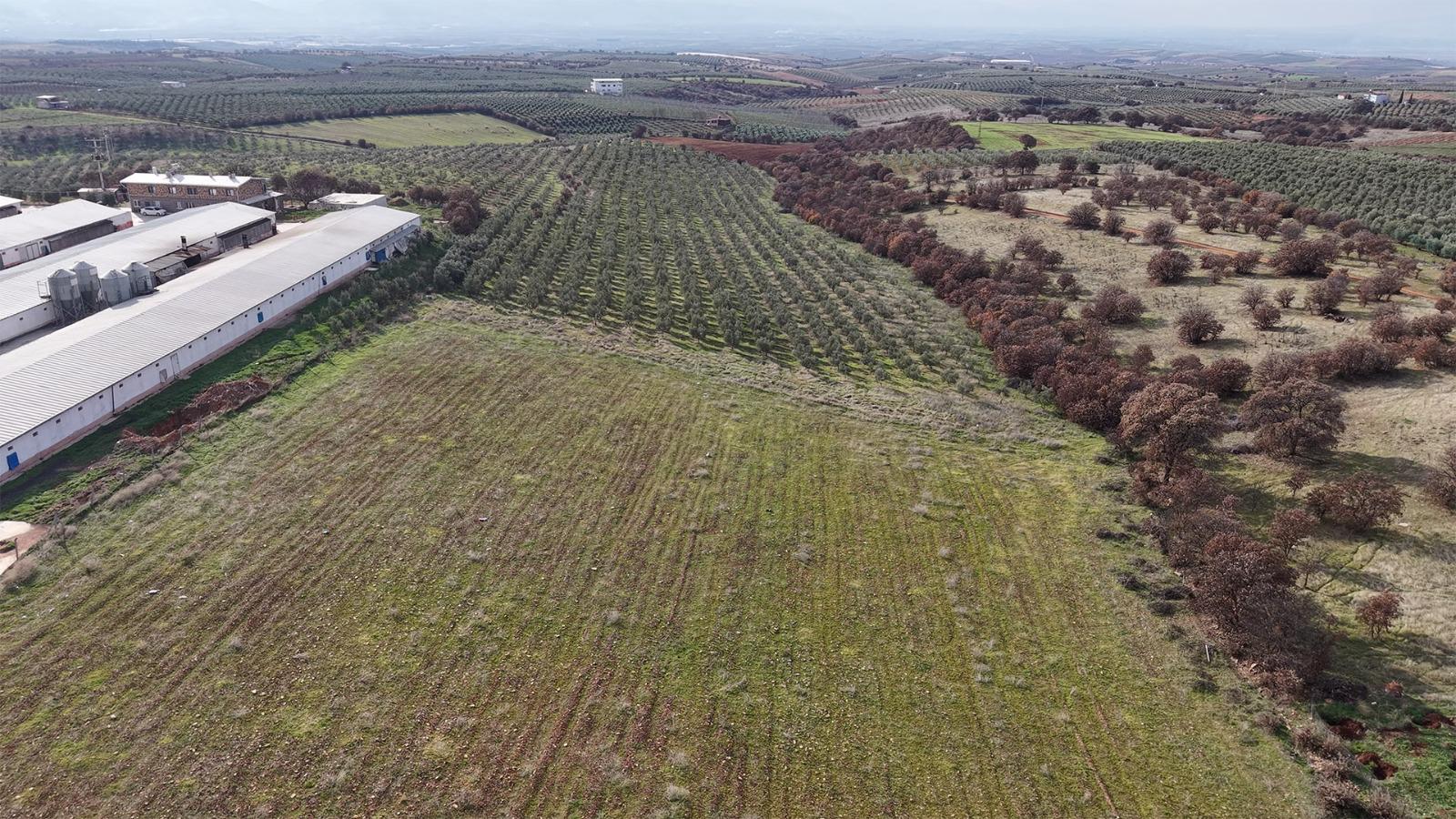
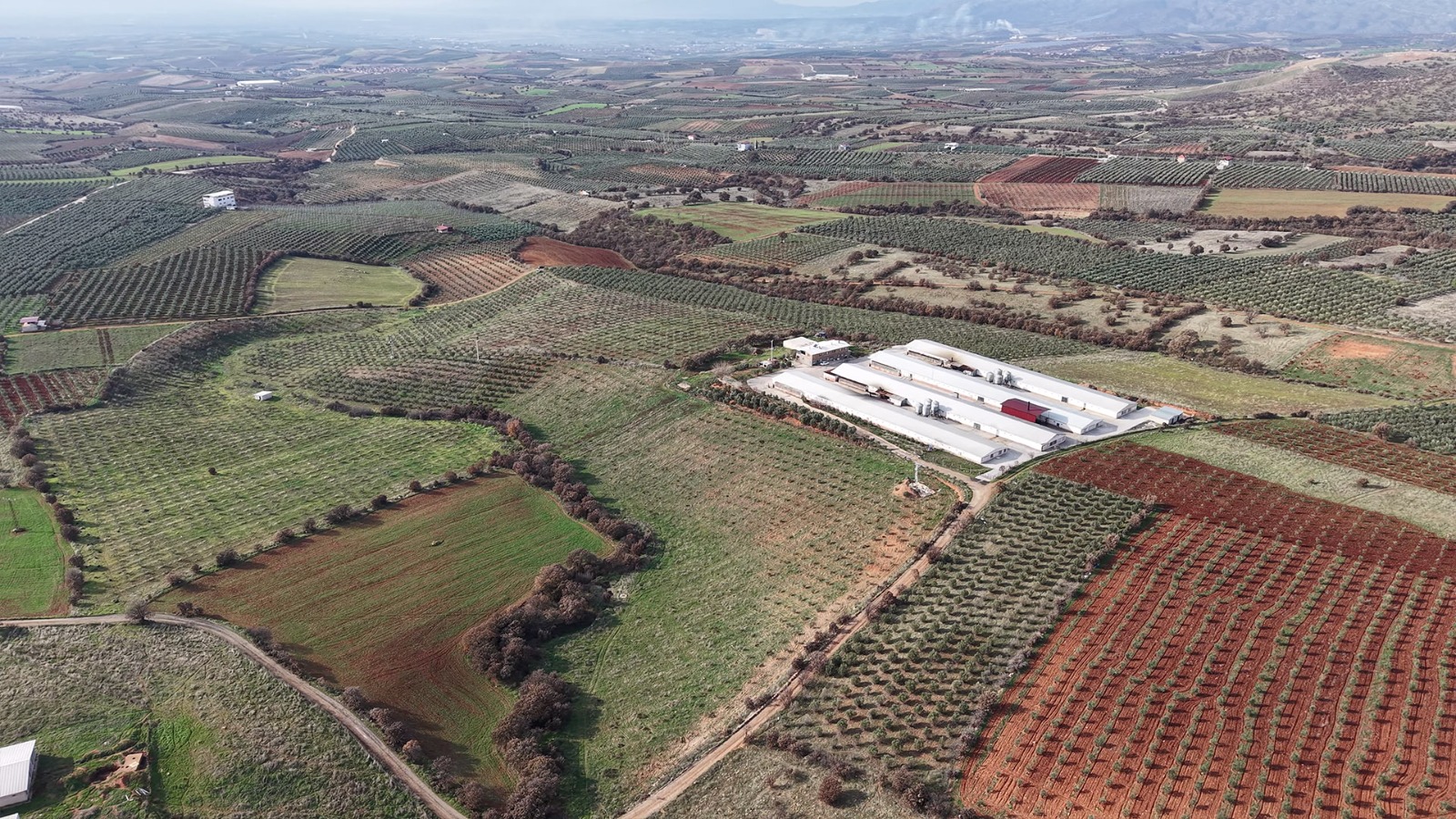
Agrolidya's Manisa project is engineered to hit these peak performance metrics through precision-controlled environments, ensuring that every gram of feed is converted into profitable biomass.
3. Energy Independence: The "Green" Profit Booster
One of the most significant innovations in broiler production investment is the integration of Renewable Energy. With electricity prices fluctuating globally, the 2026 investor prioritizes "Green Assets."
By utilising Solar PV (GES) on the large roof areas of industrial poultry houses (often exceeding 2,000 m² per house), investors achieve two critical goals:
- Direct Cost Reduction: Electricity for ventilation and heating becomes significantly lower
- Carbon Credits: Green-certified farms may generate additional revenue through carbon credit systems
4. Risk Mitigation: The "Fortress" Strategy
The primary concern for any chicken farm investment is biological security. Modern facilities in 2026 utilise a "Fortress Strategy" to protect capital.
Risk Protection Systems
System Type             | Function                                      | Benefit
------------------------|-----------------------------------------------|------------------------------------------
Ozone Water System      | Eliminates waterborne pathogens               | 99.9% biosecurity in water supply
Air Filtration System   | Filters incoming air                          | Prevents airborne disease entry
Zonal Isolation         | Separates production units                    | Risk containment across large projects
Large-scale zones (such as 750,000 m² projects) are divided into isolated production pockets. If one unit is affected, others continue operating without impact.
5. Exit Strategy and Capital Appreciation
Unlike many niche investments, a managed poultry farm offers a clear and structured exit strategy:
- Secondary Market: High demand for turnkey, income-generating farms
- Land Appreciation: Freehold ownership ensures increasing land value over time
- Liquidity Advantage: Agricultural industrial assets are gaining institutional interest
6. Conclusion: The Final Verdict for 2026
The result is clear: If you are seeking an asset that provides consistent cash flow, tax advantages, and physical security, the chicken farm investment model of 2026 is unmatched.
It represents the perfect fusion of biology and technology—a 24/7 operating protein factory designed for modern investors.