Poultry Farm Investment: What UK Investors Need to Know
A practical guide to managed broiler facilities — professional operations, consistent production cycles, and a physical asset registered in your name.
The investment landscape has shifted. With buy-to-let yields flattening and inflation making traditional savings instruments less attractive, a growing number of UK investors are looking beyond conventional assets. Poultry farm investment — specifically managed broiler production facilities — has quietly emerged as one of the more compelling alternatives available in 2026.
But let's be honest: this isn't a mainstream conversation yet. Most people hear "chicken farm" and immediately think of muddy boots and early mornings. The reality of a modern, managed poultry facility is something quite different.
What Makes Poultry Farming an Investment Asset?
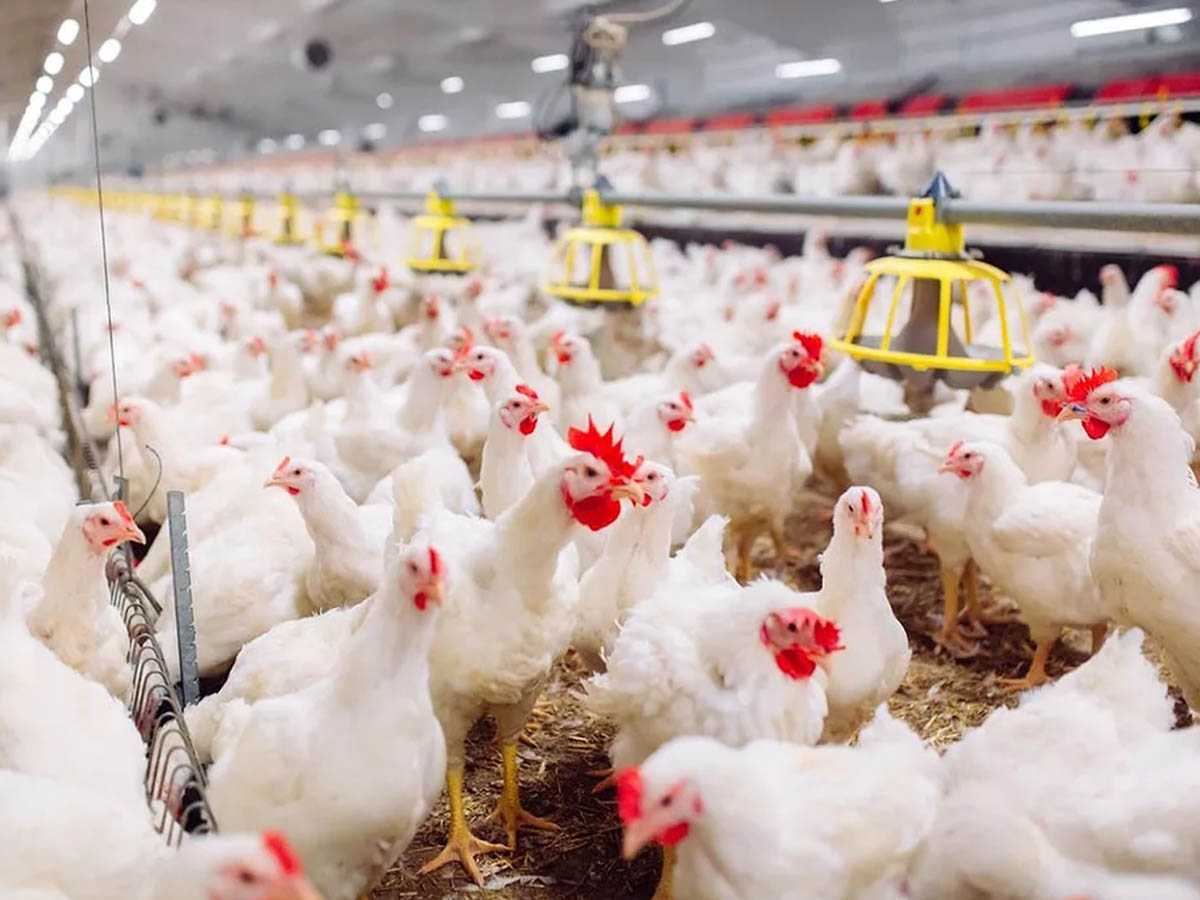
The core appeal is straightforward: food demand doesn't stop. Poultry is the world's most consumed protein, and global demand continues to grow year on year. Unlike commercial property or equities, a broiler production facility is tied directly to something tangible — a physical structure, a biological production cycle, and a guaranteed end market.
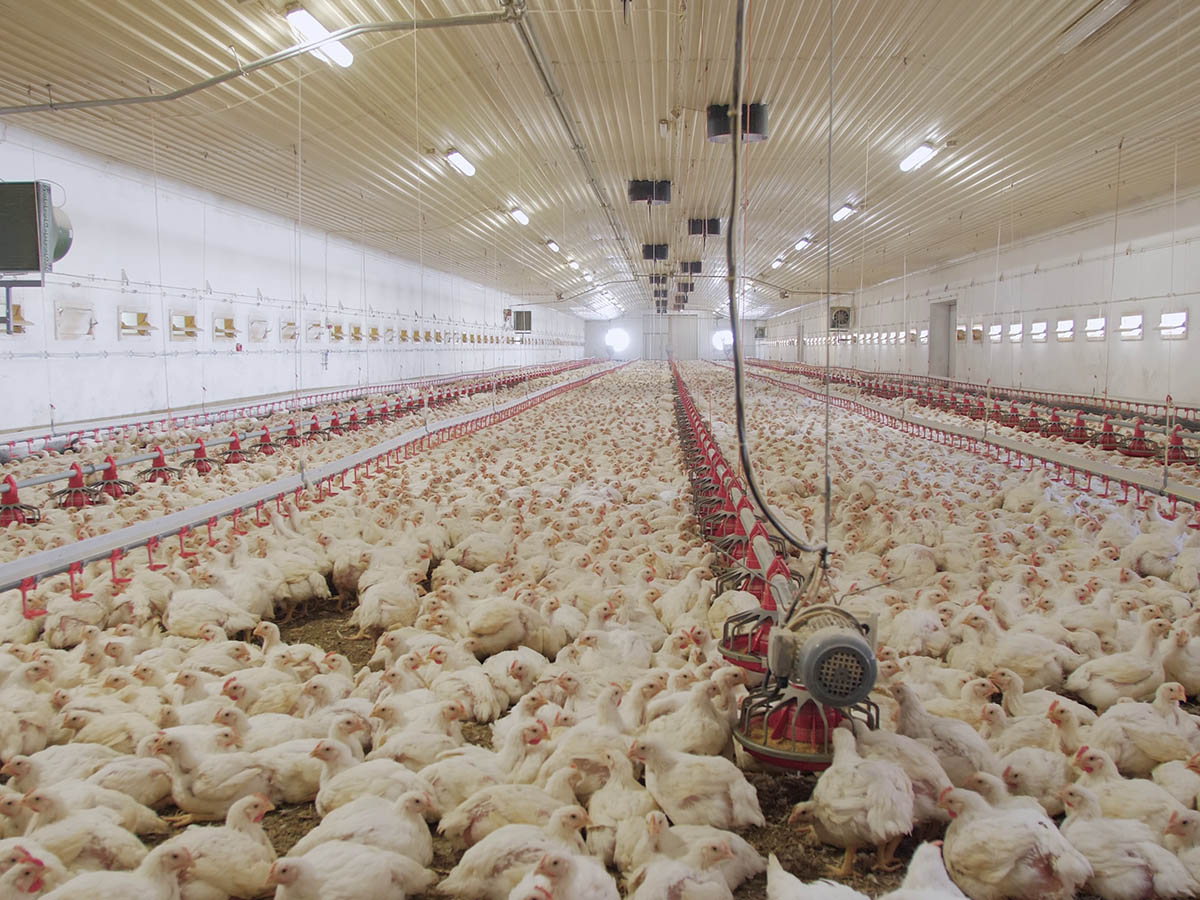
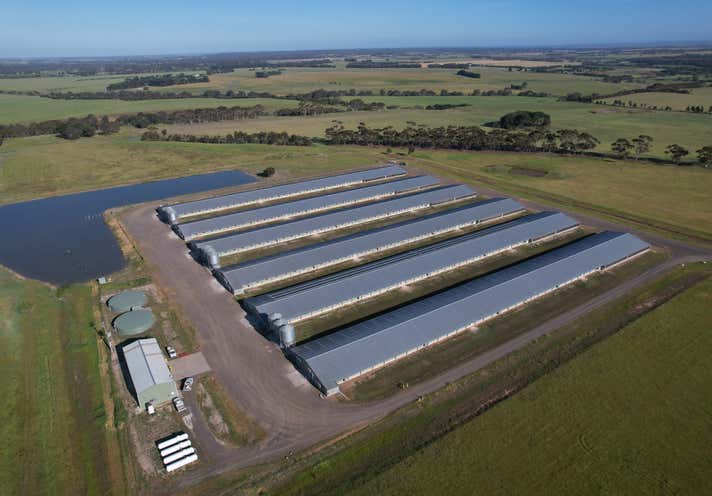
What separates this from traditional farming is the model. Investors don't manage the day-to-day operations. The facility is registered directly in the investor's name, while a professional team handles everything from biosecurity protocols to harvest logistics. You own the asset. We run it.
100%
Title deed in your name
The Production Cycle Advantage
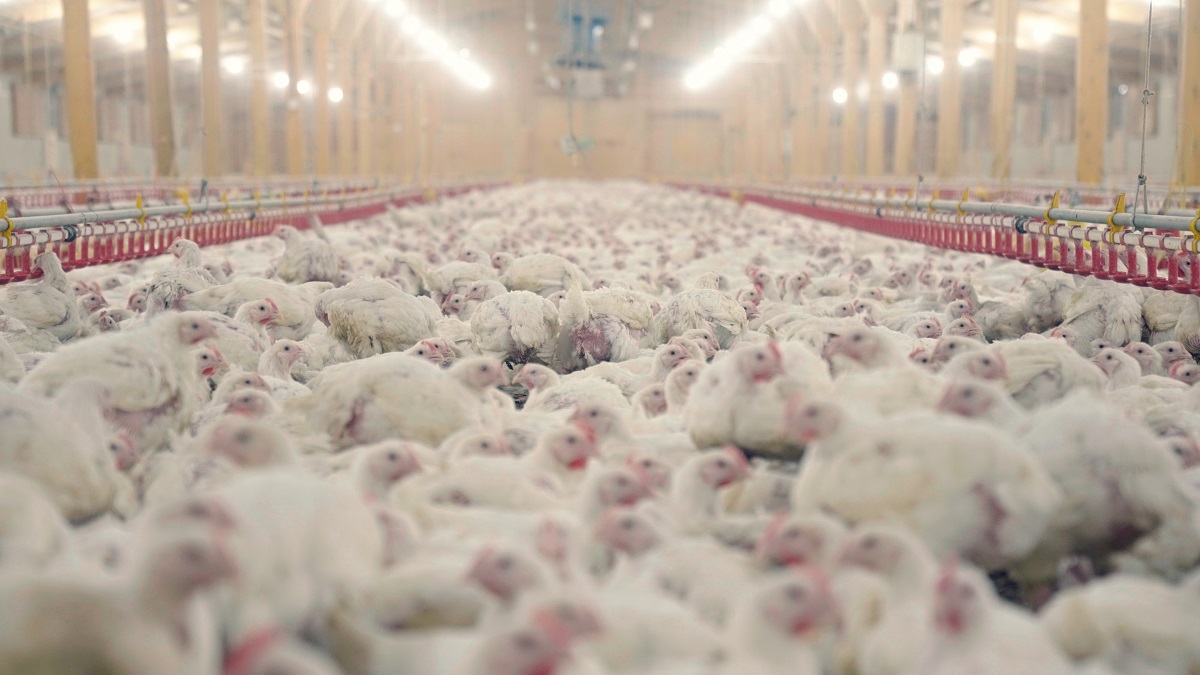
One of the most misunderstood aspects of poultry farm investment is the speed of the production cycle. A broiler cycle runs approximately 45 days from placement to harvest. That translates to six or seven completed cycles per year — and six or seven profit distribution periods. For investors accustomed to waiting months or quarters for an income event, this rhythm is meaningfully different.
"You aren't waiting a year for a single harvest. The cycle resets every 45 days — and so does the income."
The Managed Model: What It Actually Means
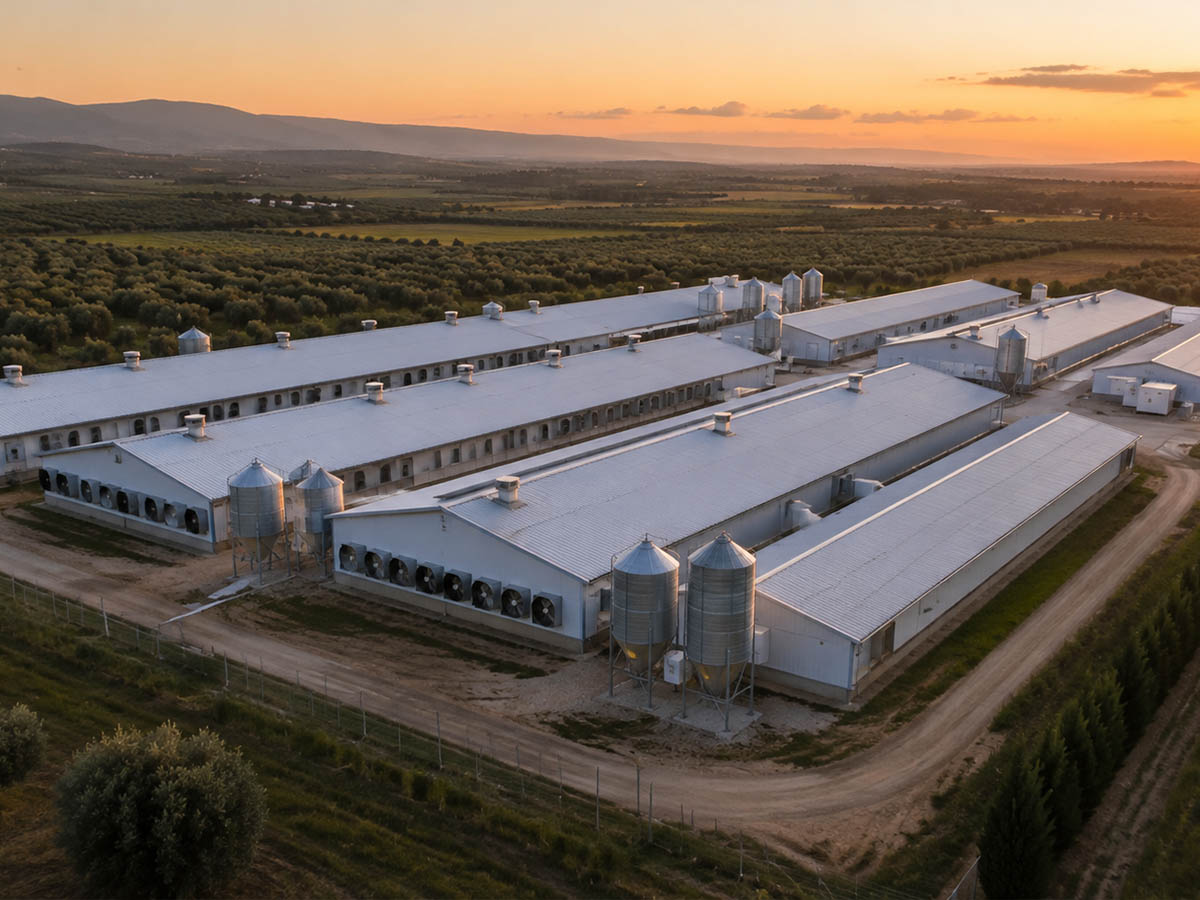
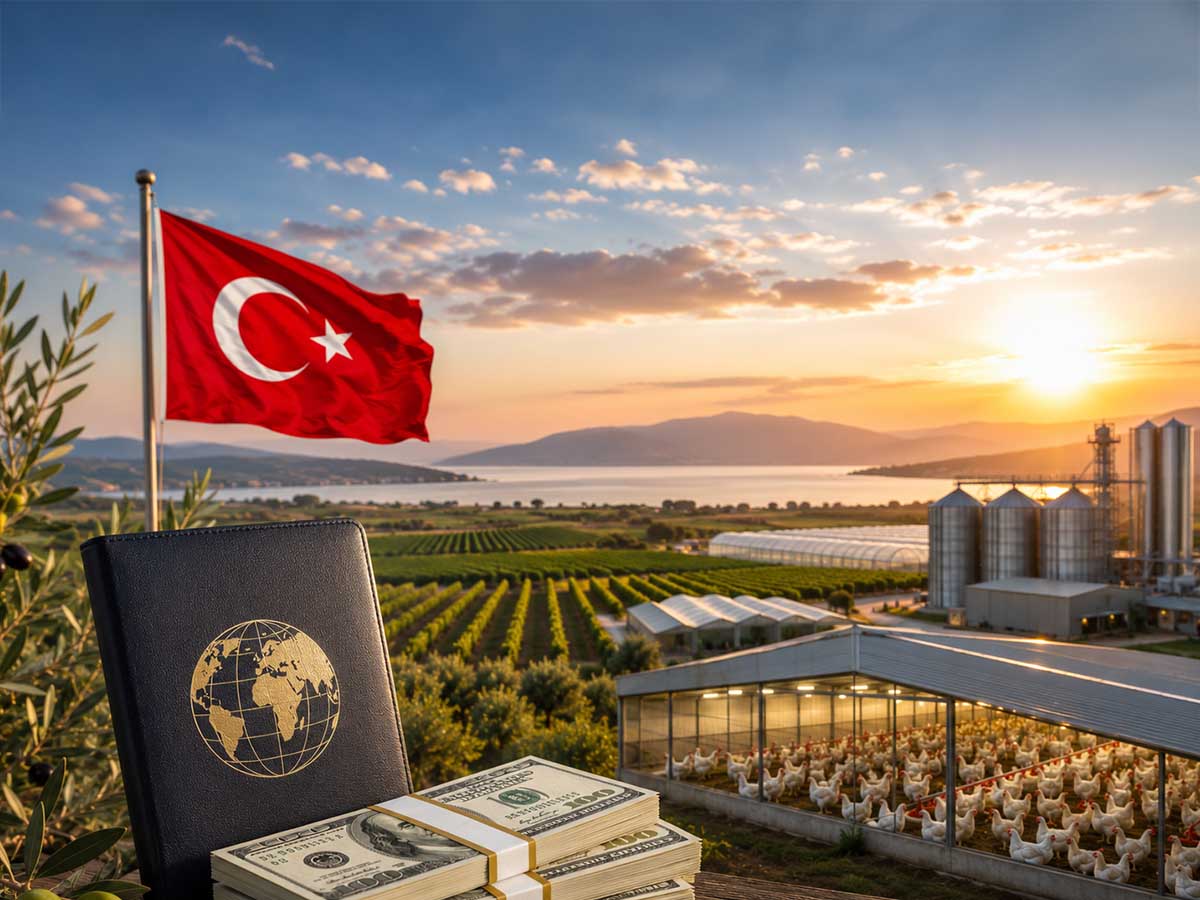
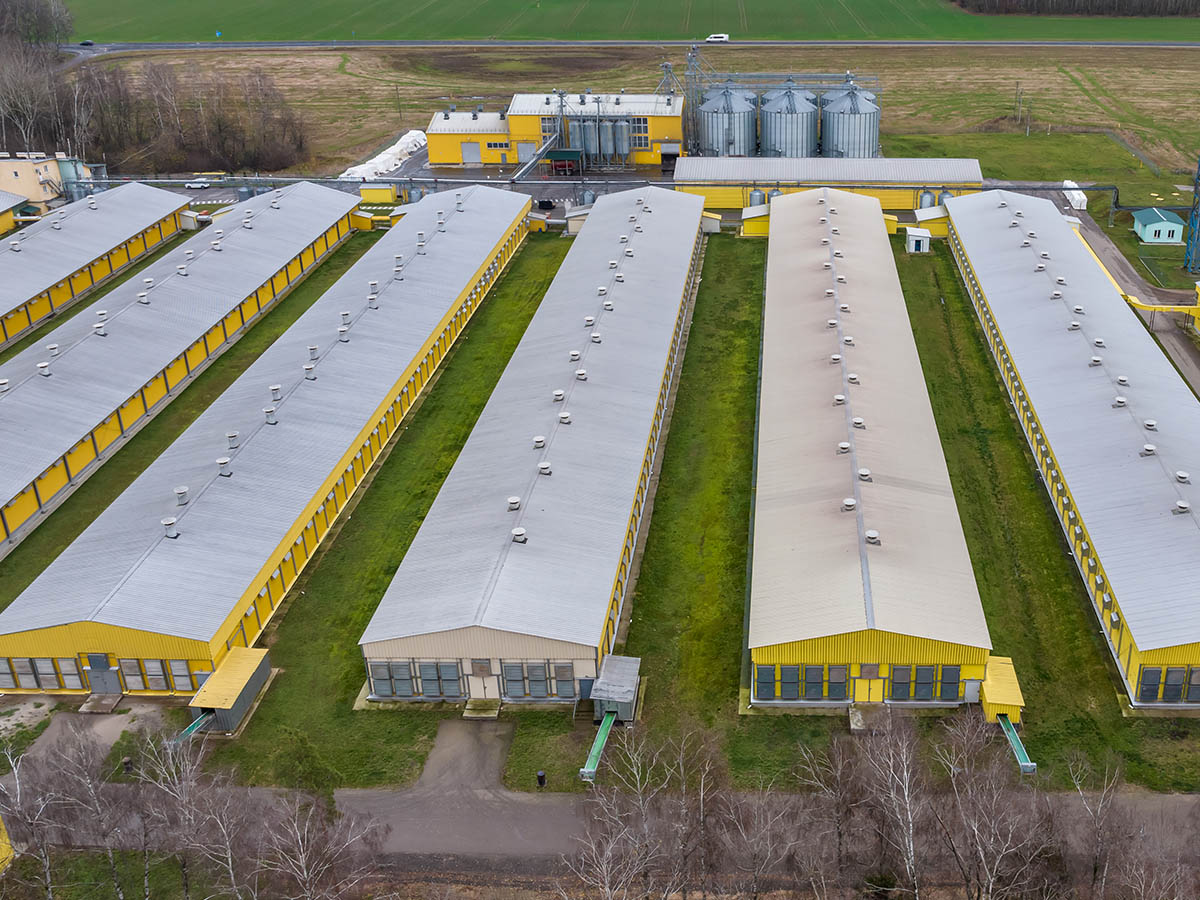
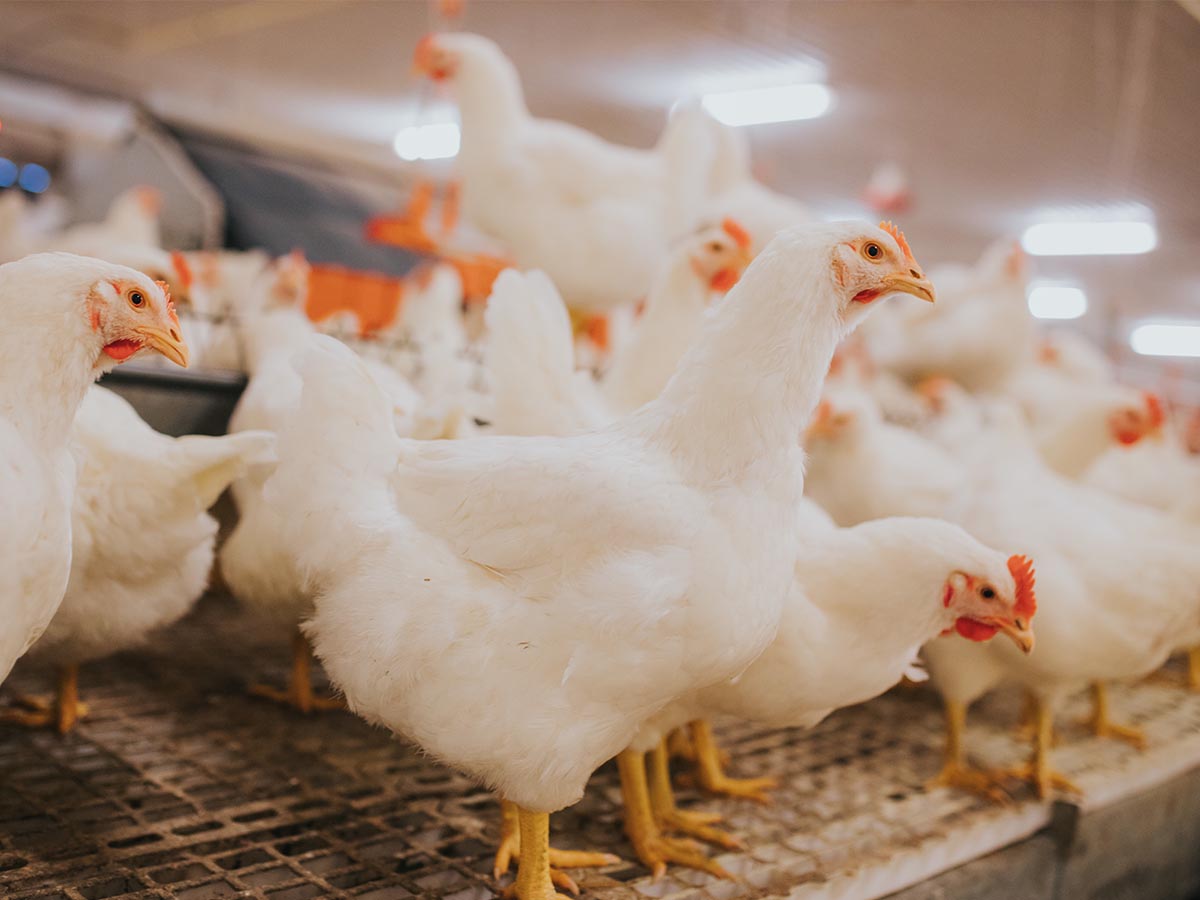
The facilities operate in Turkey, built and managed to European biosecurity and welfare standards. For the UK investor, distance is a fair concern — but modern automation systems and cycle-by-cycle reporting close that gap considerably. You don't need to be on-site to understand how your asset is performing.
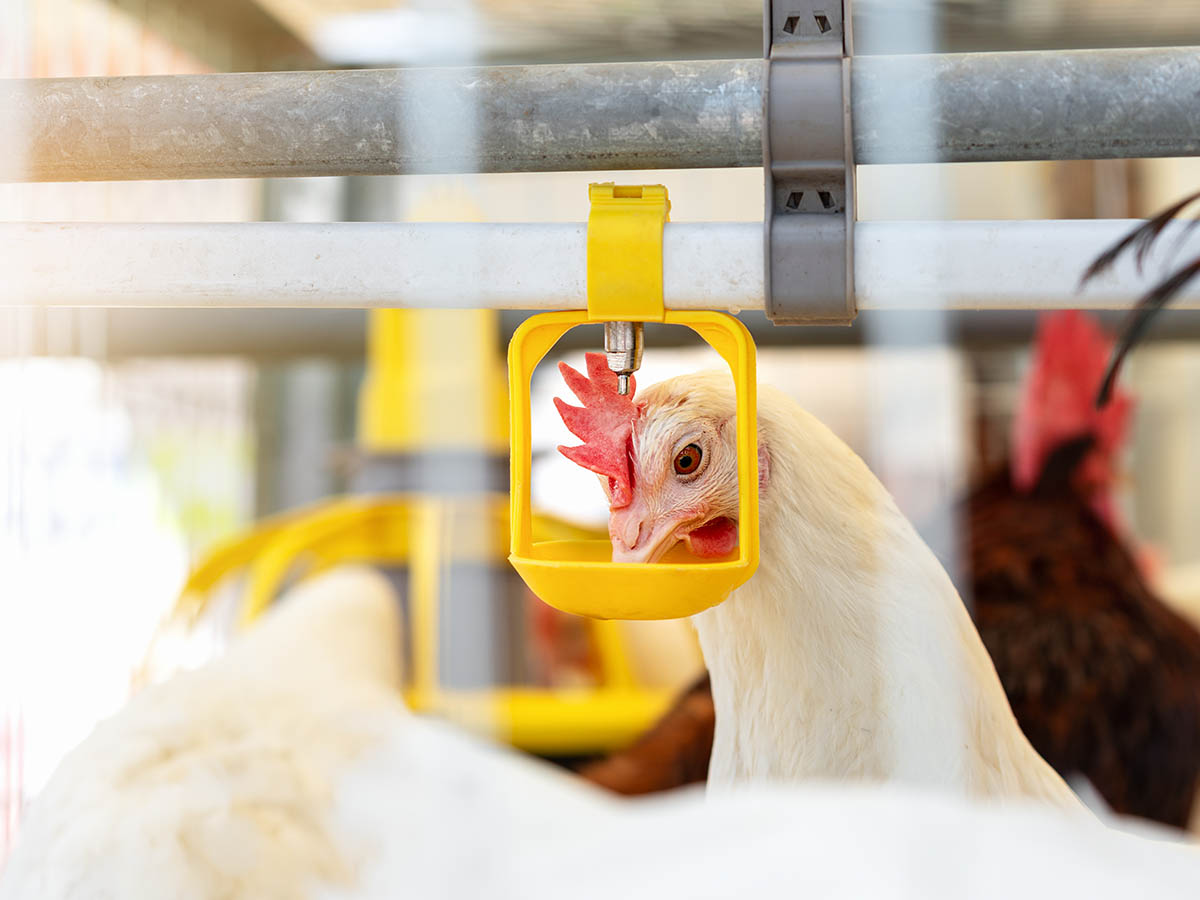
Operational responsibility sits entirely with the management team. Feed management, veterinary oversight, climate control, and harvest logistics are handled end-to-end. Your role is to receive performance updates at the close of each cycle.
Is Poultry Farm Investment the Right Move for You?
This model suits investors who are comfortable with a physical, production-based asset and don't need immediate liquidity. If you're looking to diversify away from paper assets and want something backed by real-world demand, this model is worth a serious look.
It is not, however, for everyone. If you need to access your capital at short notice or are looking for a purely passive digital instrument, agricultural investment is probably not the right fit. What we offer is a tangible asset, professionally managed, in a market that never stops buying.
Explore the Full Investment Model