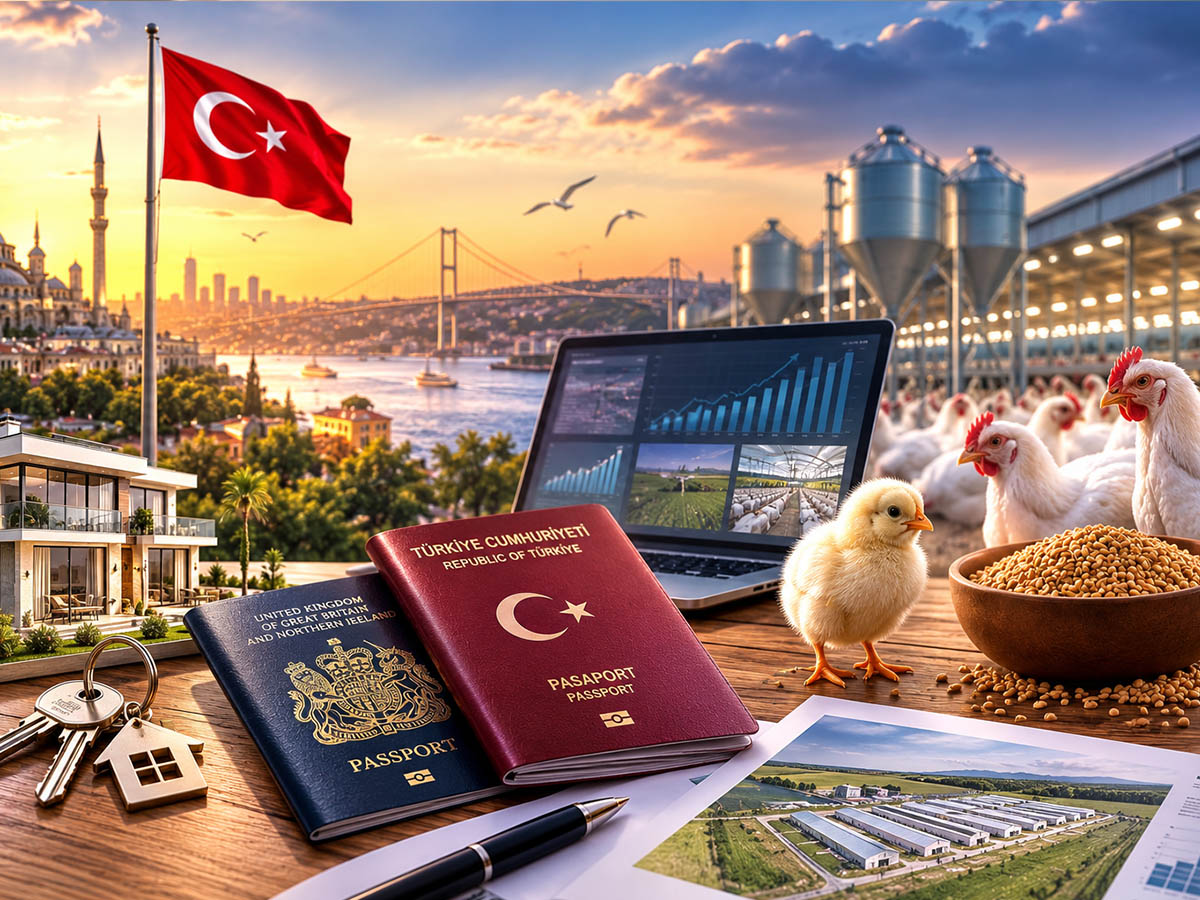
Poultry Investment: The Financial Case for a Production-Based Asset
Most conversations about poultry investment start with the farm. This one starts with the numbers.
Because at the end of the day, what a UK investor wants to understand is straightforward: what does this do for my portfolio, what does it return, and why does it make financial sense in 2026?
Why Production Assets Are Back on the Table
For the past decade, the default move for UK investors with GBP50,000 to GBP250,000 has been buy-to-let or ISAs. Both have their place. But buy-to-let yields in most UK regions have compressed significantly, and cash ISA rates, while improved, still struggle against real inflation.
The result is that a growing number of investors are looking at production-based assets. Things that generate income not from rent or interest, but from making something. Poultry investment fits squarely into this category. The facility produces a commodity with consistent global demand, and that production generates the return.
The Sterling Advantage
For a UK investor specifically, the currency dynamic is worth understanding in concrete terms. Construction costs, land, labour, and feed in Turkey are priced in Turkish Lira. The investor commits capital in Pounds Sterling.
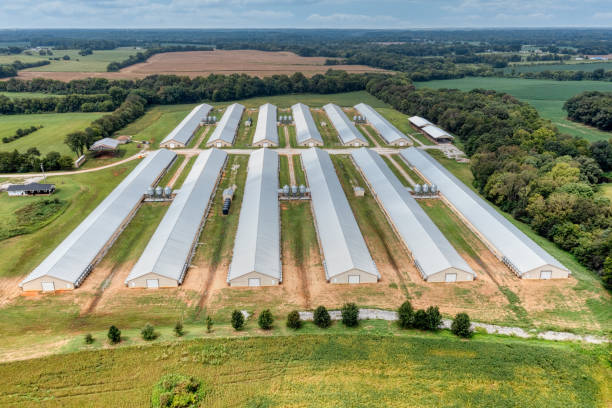
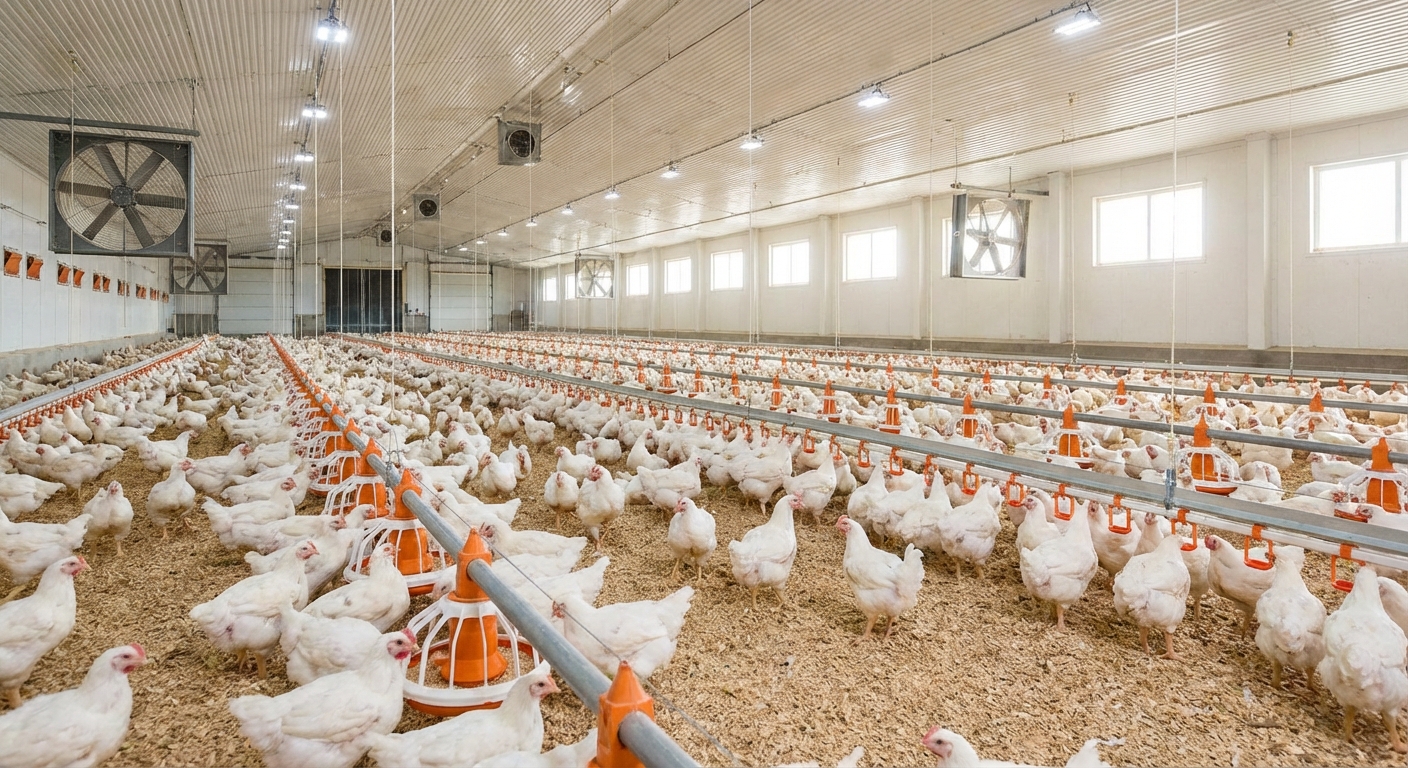
This means that the same budget which might buy a modest buy-to-let in a secondary UK city can instead fund a fully equipped, high-capacity broiler facility operating to European standards. The purchasing power differential is not marginal. It is structural. And it does not disappear next quarter.
6-7x
Income events per year
How the Return Is Generated
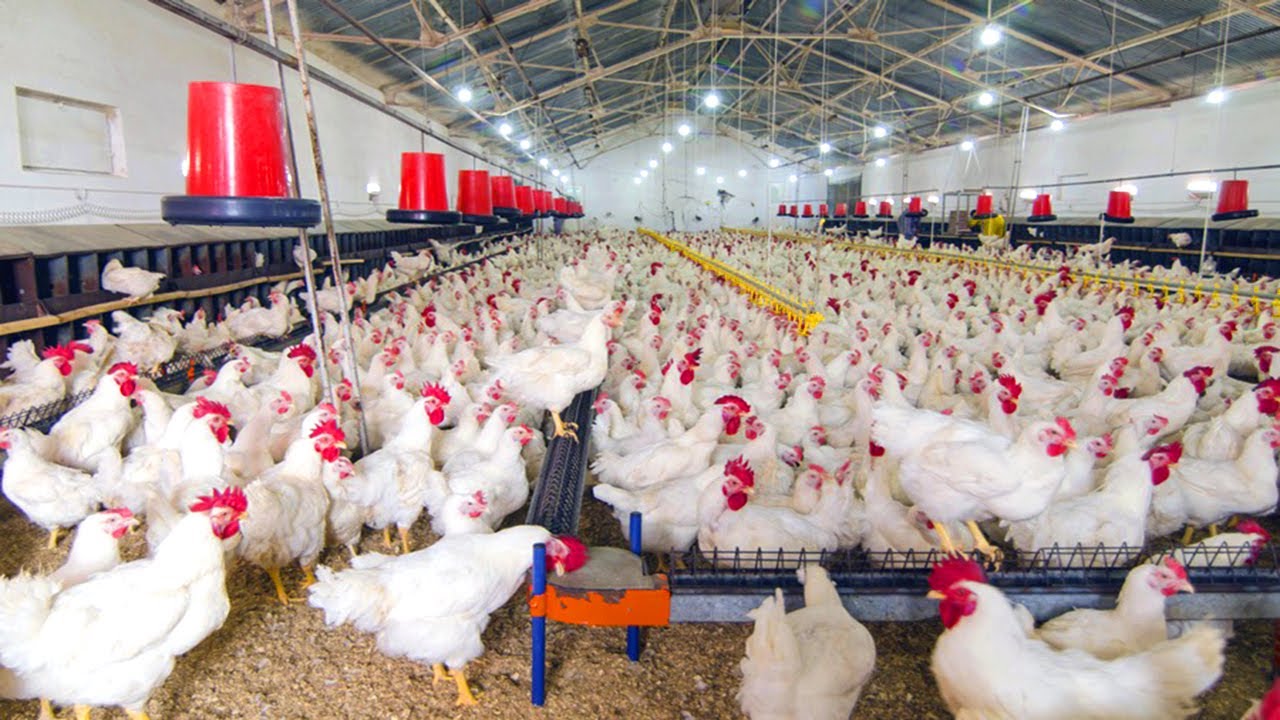
This is where poultry investment differs from most alternatives. The return is not a fixed interest rate. It is a production-linked income, calculated at the end of each 45-day broiler cycle based on actual output, feed costs, and market prices for live weight.
Six to seven cycles per year means six to seven income events. Each one is based on real production data, not an arbitrary schedule. For investors who want their income tied to something tangible rather than a bank's balance sheet, this distinction matters.
Portfolio Diversification: What This Actually Means
"Diversification" is one of the most overused words in investment advice. In practice, it means holding assets that do not all fall at the same time for the same reasons.
A poultry investment in a managed facility in Turkey is not correlated to UK property prices, FTSE movements, or interest rate decisions by the Bank of England. When those markets experience volatility, this asset continues producing, because chickens do not respond to monetary policy.
"The practical case for including a production asset in a diversified portfolio is not that it will outperform everything else, but that it moves independently of everything else."
What to Consider Before Committing
A poultry investment of this type is a mid-to-long-term commitment. Capital is tied to a physical asset that cannot be liquidated overnight. For investors who need flexibility, this is a genuine constraint worth acknowledging.
What it offers in return is a tangible asset in your name, a professionally managed operation, and an income cycle that runs six to seven times a year regardless of what is happening in financial markets.
If that trade-off works for your situation, it is worth a conversation.
Explore the Full Investment Model