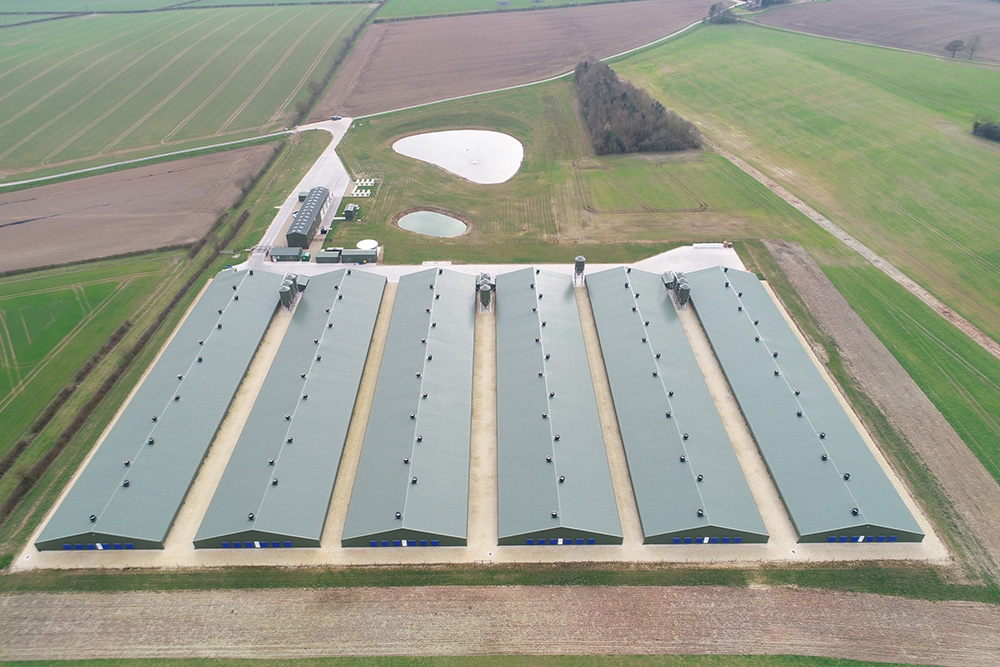
Broiler Production Investment: The Technical Side Nobody Talks About
Most investment guides focus on the returns. This one focuses on what actually drives them.
If you are considering a broiler production investment, understanding the mechanics behind the operation is not just useful, it is essential. Because in this industry, the difference between a well-performing facility and an average one comes down to a handful of technical variables, not market conditions.
What Is a Broiler Production Cycle?
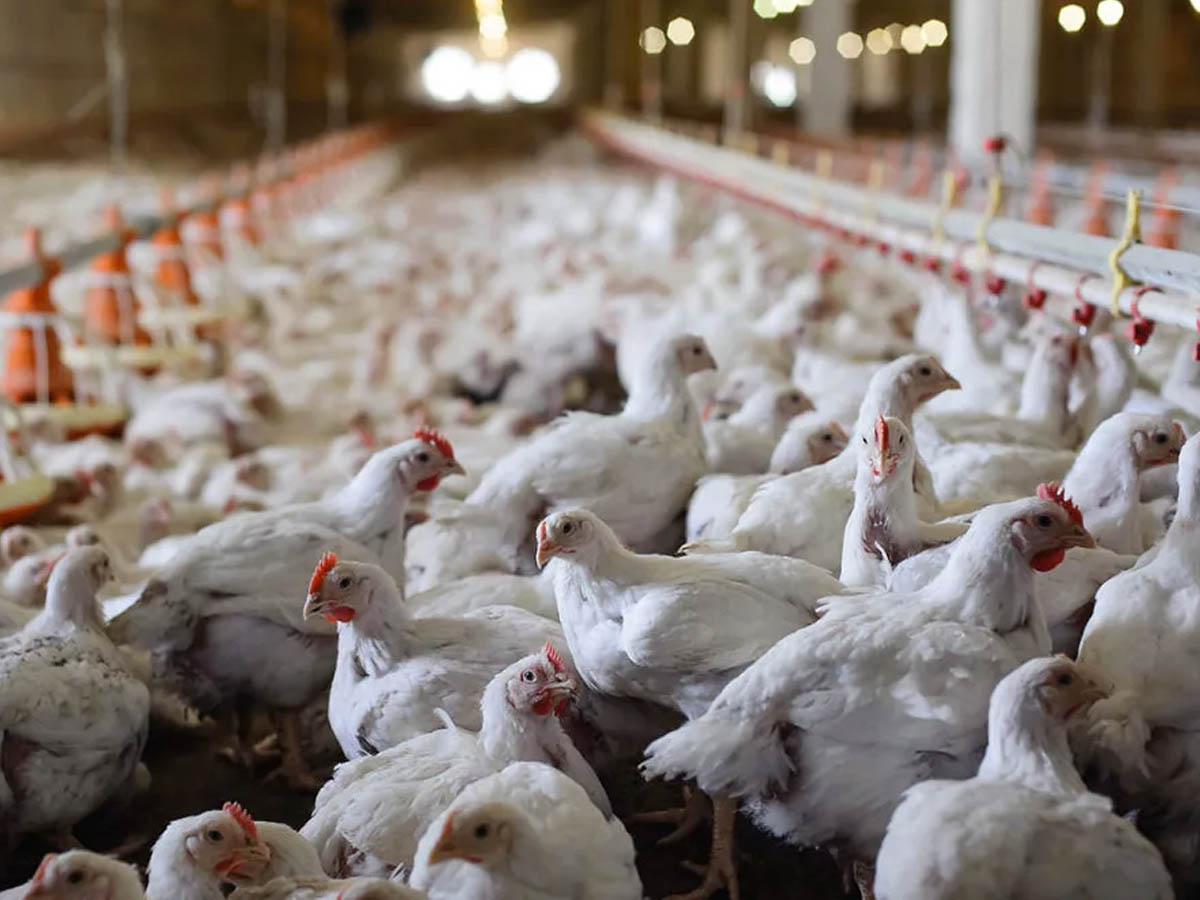
A broiler production cycle begins the moment day-old chicks arrive at the facility and ends at harvest, roughly 40 to 45 days later. Within that window, every single variable (temperature, humidity, feed composition, water intake, air quality) is actively managed. Miss one, and the entire cycle's profitability takes a hit.
This is why broiler production investment is not simply "buying a farm." You are investing in a controlled biological process. The farm is the container; the management system is what generates the return.
The FCR: The Number That Determines Your Margin
The Feed Conversion Ratio (FCR) is the most important metric in broiler production. It measures how efficiently a bird converts feed into body weight. An FCR of 1.70 means 1.70 kg of feed produced 1 kg of live weight. The lower this number, the more profitable the operation.
Industry average FCR sits between 1.75 and 1.85. Well-managed, fully automated facilities routinely achieve 1.60 to 1.65. That gap might sound small, but across tens of thousands of birds per cycle, it translates directly into margin.
For the investor, this matters because FCR is not a fixed number. It is actively managed. Climate control systems, feed timing, stocking density, and biosecurity protocols all influence it. This is precisely why professional management is non-negotiable in a serious broiler production investment model.
1.60
Target FCR per cycle
40-45
Days per production cycle
24/7
Automated climate control
Automation and Climate Control
Many assume that modern poultry farming is simply a matter of providing feed and water. In reality, even a one-degree fluctuation in house temperature during the first week of a cycle can disrupt feed intake and compromise FCR for the entire batch.
Fully automated climate systems monitor and adjust temperature, ventilation, and humidity in real time, around the clock. This is not a luxury. It is the baseline standard for any facility targeting consistent returns. Without it, production becomes unpredictable, and unpredictability is the enemy of investor returns.
Biosecurity: The Risk Layer Most Investors Overlook
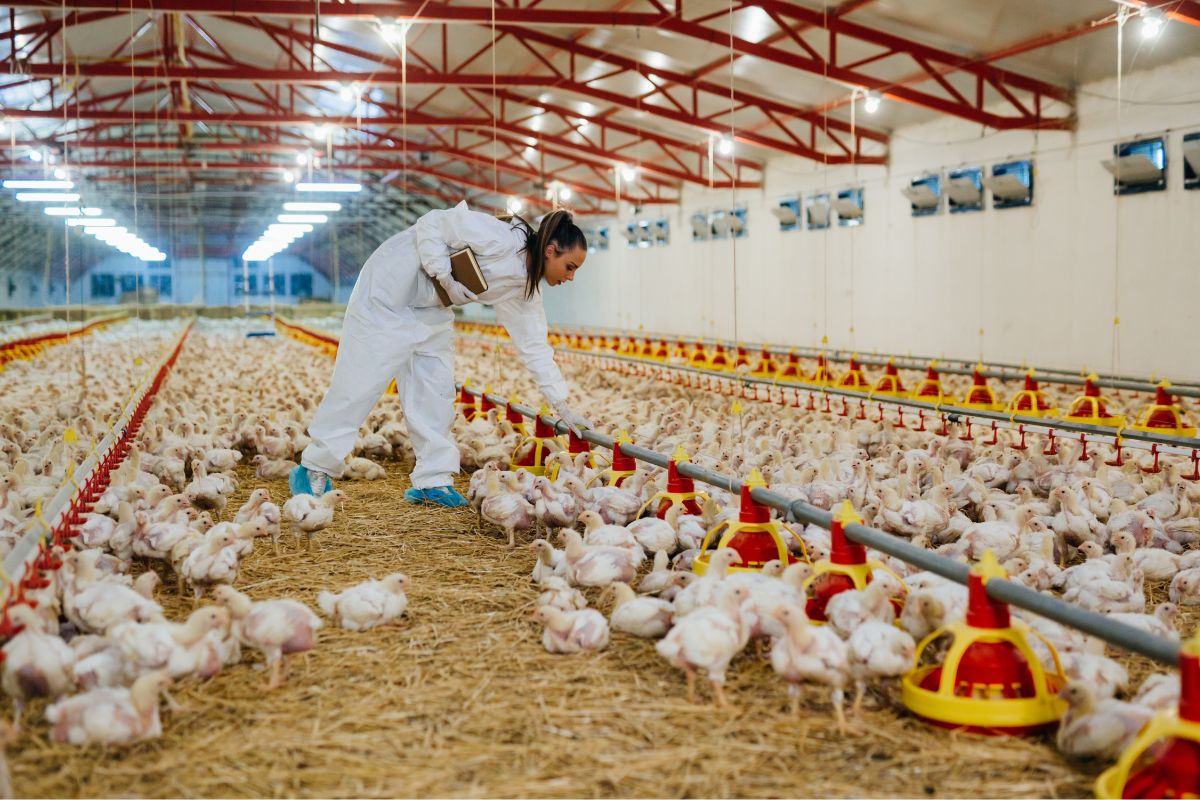
The single greatest operational risk in a broiler facility is disease. One outbreak can wipe an entire cycle. Robust biosecurity protocols (controlled access, footbaths, quarantine procedures, vaccination schedules) are what stand between a productive cycle and a total loss.
"In a managed broiler production investment model, biosecurity responsibility sits entirely with the operations team, not the investor."
Understanding that biosecurity exists and is actively managed is part of what makes this a structured investment rather than a speculative one.
Why Technical Efficiency Translates to Investor Returns
Here is the connection that matters: every improvement in FCR, every cycle completed without biosecurity incident, every harvest delivered on schedule directly affects the profit distributed to the investor at the end of that cycle.
This is not a passive bet on commodity prices. It is a return driven by operational discipline. And that is ultimately what separates a well-structured broiler production investment from a poorly managed one, regardless of where the facility is located.
Explore the Full Investment Model