Broiler Production Investment: High-Return Poultry Farming Business Model in 2026 Introduction
11 Apr 2026
Introduction
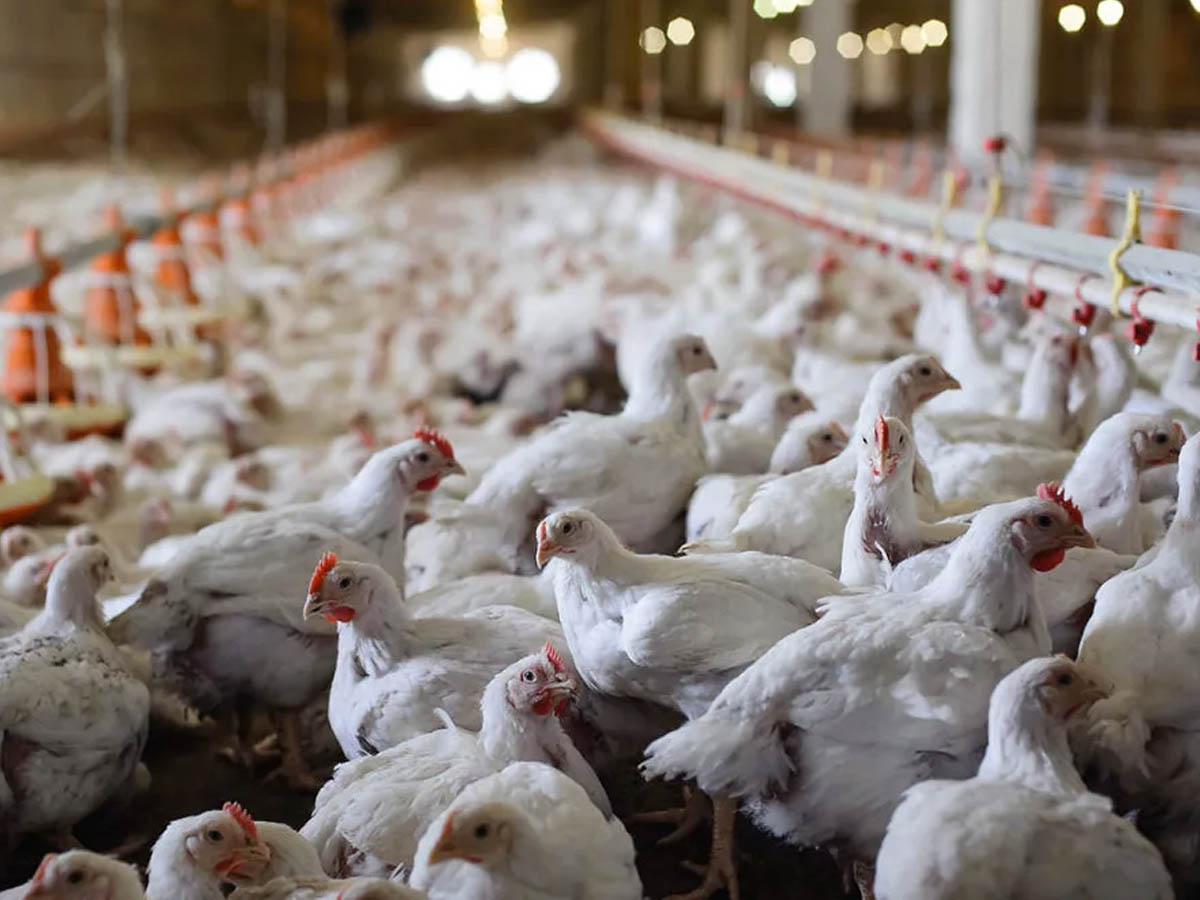
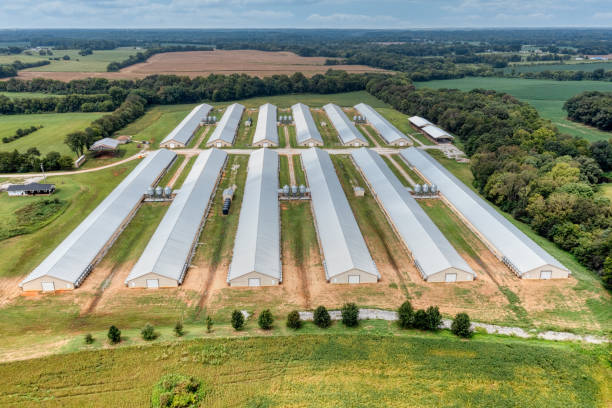
Broiler production investment has rapidly become one of the most attractive agribusiness opportunities in 2026. As global demand for affordable protein continues to rise, chicken meat leads the market due to its cost efficiency, fast production cycle, and scalability.
For investors seeking stable cash flow, inflation protection, and high ROI, broiler farming offers a unique combination of biological efficiency and industrial precision. Unlike traditional farming, modern broiler production is now a data-driven, technology-powered investment model.
Why Broiler Production is a Top Investment
Broiler farming stands out due to three core advantages:
- Fast production cycle (35–42 days)
- High feed efficiency
- Strong and growing global demand
Global Protein Efficiency Comparison
Livestock Type   | Feed Conversion Ratio (FCR) | Production Cycle | Cost Efficiency | Market Demand
-----------------|-----------------------------|------------------|-----------------|---------------
Broiler Chicken  | 1.4 – 1.6                   | 35 – 42 Days     | Very High       | Very High
Pork             | 2.8 – 3.2                   | 5 – 6 Months     | Medium          | High
Beef             | 6.0 – 8.0                   | 18 – 24 Months   | Low             | Moderate
👉 This clearly shows why broiler production dominates modern agriculture.
Investment Cost Breakdown
Understanding cost structure is essential for maximising profitability.
Typical Cost Distribution (30,000 Bird Farm)
Cost Category        | Percentage (%) | Importance Level
---------------------|----------------|------------------
Feed                | 65 – 70%        | Critical
Day-old chicks      | 15 – 18%        | High
Energy              | 7 – 10%         | Medium
Labour               | 3 – 5%          | Low
Veterinary & Others | 2 – 5%          | Medium
💡 Feed is the biggest cost driver—efficient feed management directly impacts profit.
ROI and Profitability
Modern broiler farms deliver strong financial performance:
- Net ROI: up to 16% net
- Payback Period: from 6 years
- Production Cycles: 6–7 per year
Revenue Model
Income is generated from:
- Live chicken sales
- Contract farming payments
- Bonus for performance (FCR & mortality rate)
Technology in Broiler Farming
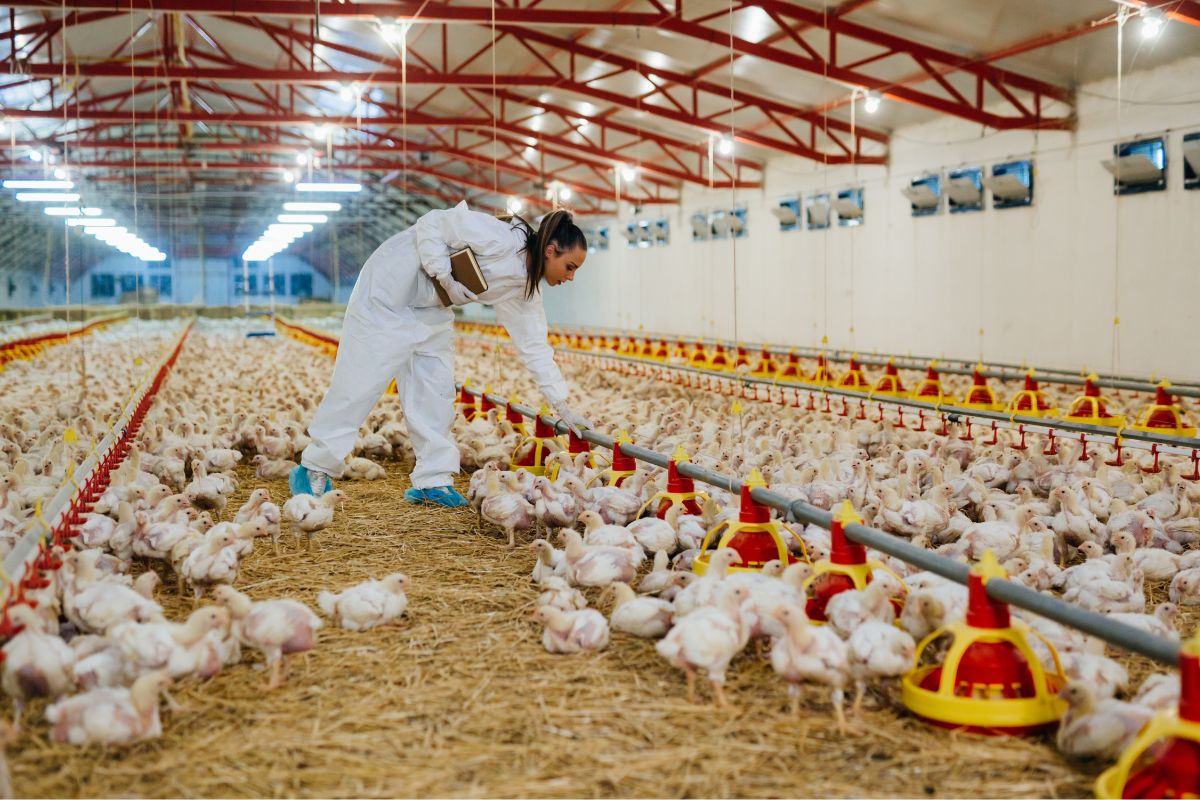
2026 broiler farms are not traditional—they are smart production facilities.
Key Technologies:
- Automated feeding systems
- Climate control (temperature & humidity)
- AI-based monitoring
- IoT sensors
Performance Metrics
Metric                  | Target Value | Impact
------------------------|-------------|--------
FCR (Feed Conversion)   | 1.4 – 1.6   | Direct profit driver
Mortality Rate          | < 5%        | Risk control
EPEF Score              | 380 – 420+  | Overall efficiency
Risk Factors and Solutions
Common Risks
- Disease outbreaks
- Feed price volatility
- Climate conditions
- Market fluctuations
Risk Mitigation Table
Risk Type        | Solution
-----------------|---------------------------------------
Disease          | Biosecurity protocols
Heat Stress      | Tunnel ventilation systems
Feed Costs       | Contract supply agreements
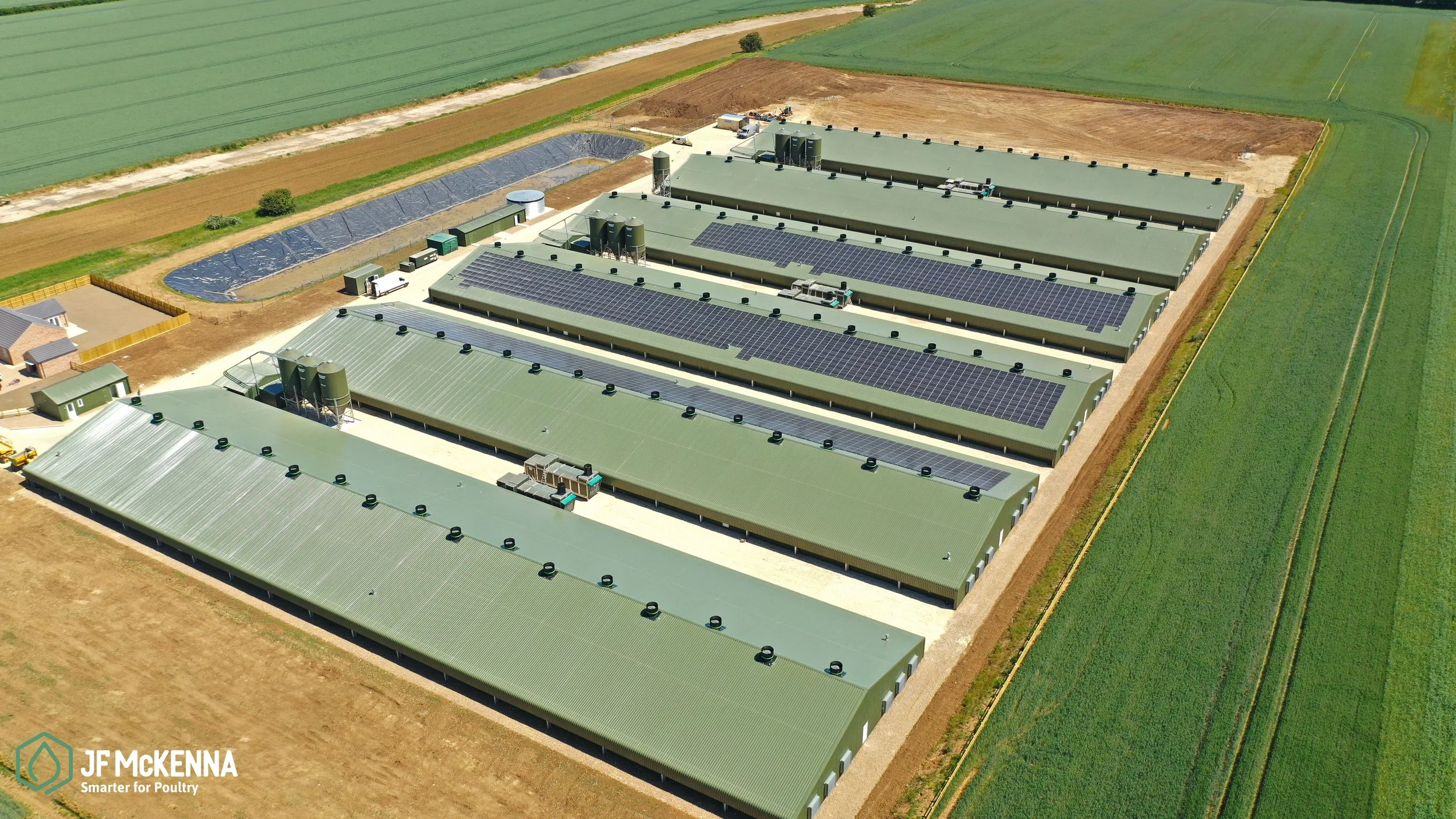
Energy Prices    | Solar energy systems (GES)
Why Investors Prefer Broiler Farming
- Quick cash flow
- Scalable business model
- Strong global demand
- Lower land requirement
- Inflation-resistant income
Conclusion
Broiler production investment in 2026 is no longer just farming—it is a high-performance agricultural asset class. With proper management, technology integration, and strategic planning, investors can achieve consistent and scalable returns.