Chicken Farm Investment vs Livestock Farming: Which Is More Profitable?
26 Apr 2026
As investors increasingly explore agricultural opportunities, one key question often comes up:
👉 Is it more profitable to invest in chicken farms or traditional livestock farming?
Both sectors offer solid potential, but they operate very differently in terms of cost, risk, scalability, and return on investment (ROI). Understanding these differences is essential before making a decision.
Understanding the Two Investment Models
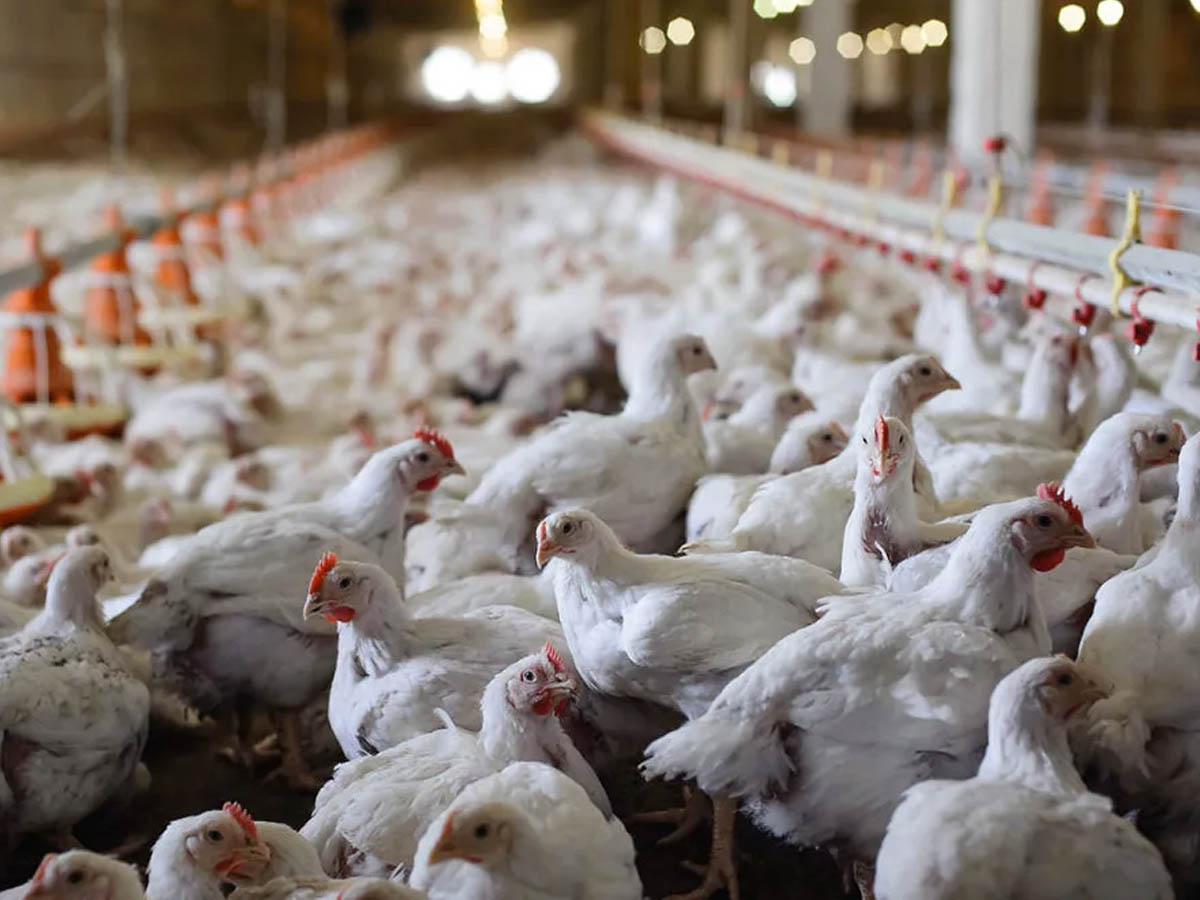
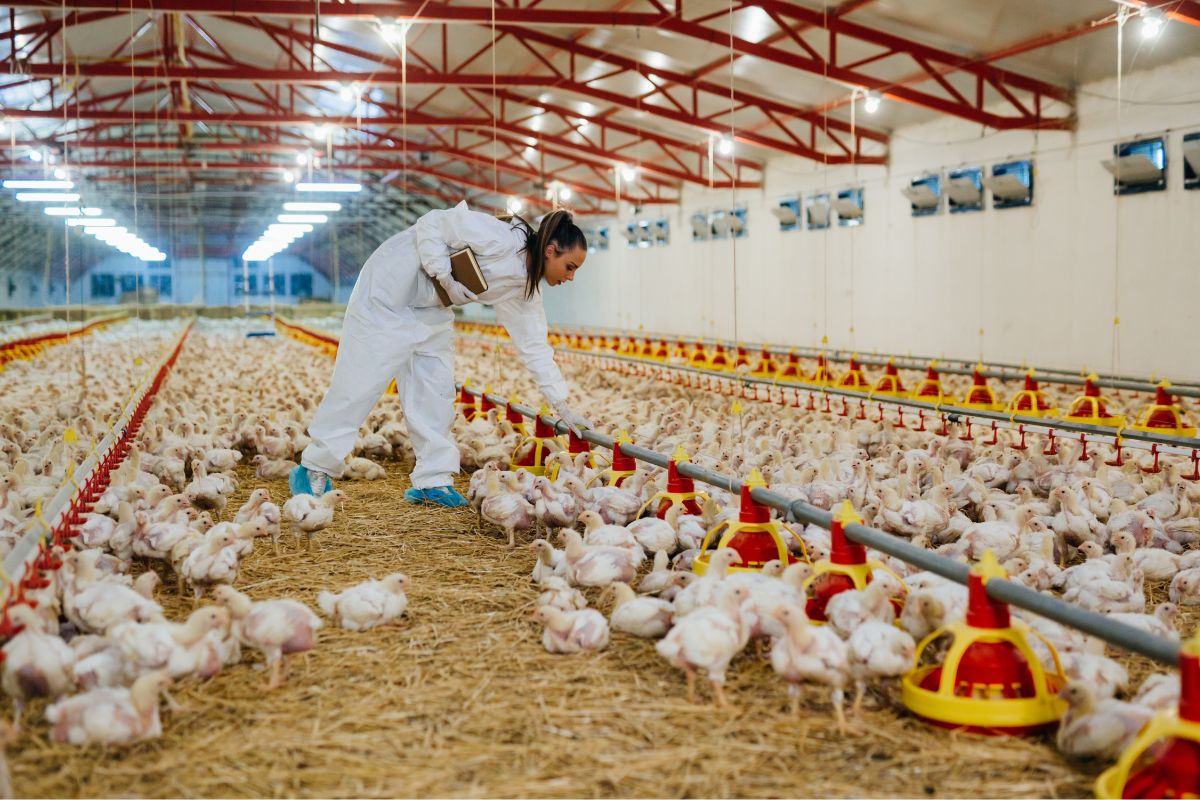
🐔 Chicken Farm Investment (Poultry Farming)
Poultry farming focuses on:
- Broiler chickens (meat production)
- Layer chickens (egg production)
It is known for fast production cycles, high turnover, and scalable systems.
🐄 Livestock Farming
Livestock farming typically includes:
- Cattle (beef or dairy)
- Sheep and goats
This sector is more traditional and involves longer growth cycles and higher maintenance costs.
Key Comparison: Profitability Factors
1. Production Cycle & Cash Flow
- Poultry Farming:
- Production cycles are short (typically 30–45 days for broilers), allowing frequent income generation.
- Livestock Farming:
- Cattle and other livestock may take 12–24 months or more to generate returns.
👉 Winner: Poultry Farming (faster and more consistent cash flow)
2. Return on Investment (ROI)
- Poultry Farming:
- Well-managed operations often deliver up to 16% net annual returns, with a payback period from 6 years.
- Livestock Farming:
- Returns are generally lower and slower, often in the range of 8–15% annually, depending on market conditions.
👉 Winner: Poultry Farming (higher and faster ROI)
3. Initial Investment & Scalability
- Poultry Farming:
- Lower entry cost per unit and easy to scale by adding more production units.
- Livestock Farming:
- Requires significant capital for land, animals, and infrastructure. Scaling is slower and more expensive.
👉 Winner: Poultry Farming (more accessible and scalable)
4. Operational Complexity
- Poultry Farming:
- Highly systemized and suitable for managed investment models.
- Livestock Farming:
- Requires intensive labor, expertise, and long-term animal care.
👉 Winner: Poultry Farming (especially for passive investors)
5. Market Demand & Stability
- Poultry Farming:
- Chicken is one of the most consumed protein sources globally due to affordability.
- Livestock Farming:
- Demand is strong but more affected by economic conditions and pricing fluctuations.
👉 Winner: Poultry Farming (more stable mass-market demand)
Risk Comparison
Both investments carry risks, but the nature differs:
Poultry Farming Risks:
- Disease outbreaks (manageable with biosecurity)
- Feed price fluctuations
Livestock Farming Risks:
- Longer exposure to market volatility
- Higher loss per animal
- Disease and breeding challenges
👉 Overall Advantage: Poultry Farming (lower risk due to shorter cycles)
Which Investment Is Right for You?
Choose poultry farm investment if you want:
- Faster returns
- Higher net annual ROI (up to 16%)
- Passive or managed investment options
- Scalable growth
Choose livestock farming if you:
- Prefer long-term, traditional farming
- Have operational experience
- Can manage higher capital and longer timelines
Final Verdict
While both sectors have value, the data clearly shows that:
👉 Chicken farm investment is generally more profitable, scalable, and faster in generating returns than traditional livestock farming.
With:
- up to 16% net annual returns
- payback from 6 years
- Short production cycles
Poultry farming stands out as a modern, investor-friendly agricultural opportunity.
Looking Ahead
As global demand for protein continues to rise, efficiency and scalability will define the most profitable investments. Poultry farming, with its industrialized systems and rapid turnover, is well-positioned to lead the future of agricultural investing.