Industrial Broiler Farming Investment: Smart Poultry Business for Passive Income
11 Apr 2026
Introduction
Industrial broiler farming is transforming the agricultural investment landscape. In 2026, poultry farms are no longer traditional operations—they are fully optimised, data-driven production facilities designed to generate consistent and scalable income.
With rising global demand for affordable protein, broiler farming has become one of the most efficient and profitable investment models available today. Investors are increasingly shifting toward smart farming systems that reduce risk while maximising output.
What is Industrial Broiler Farming?
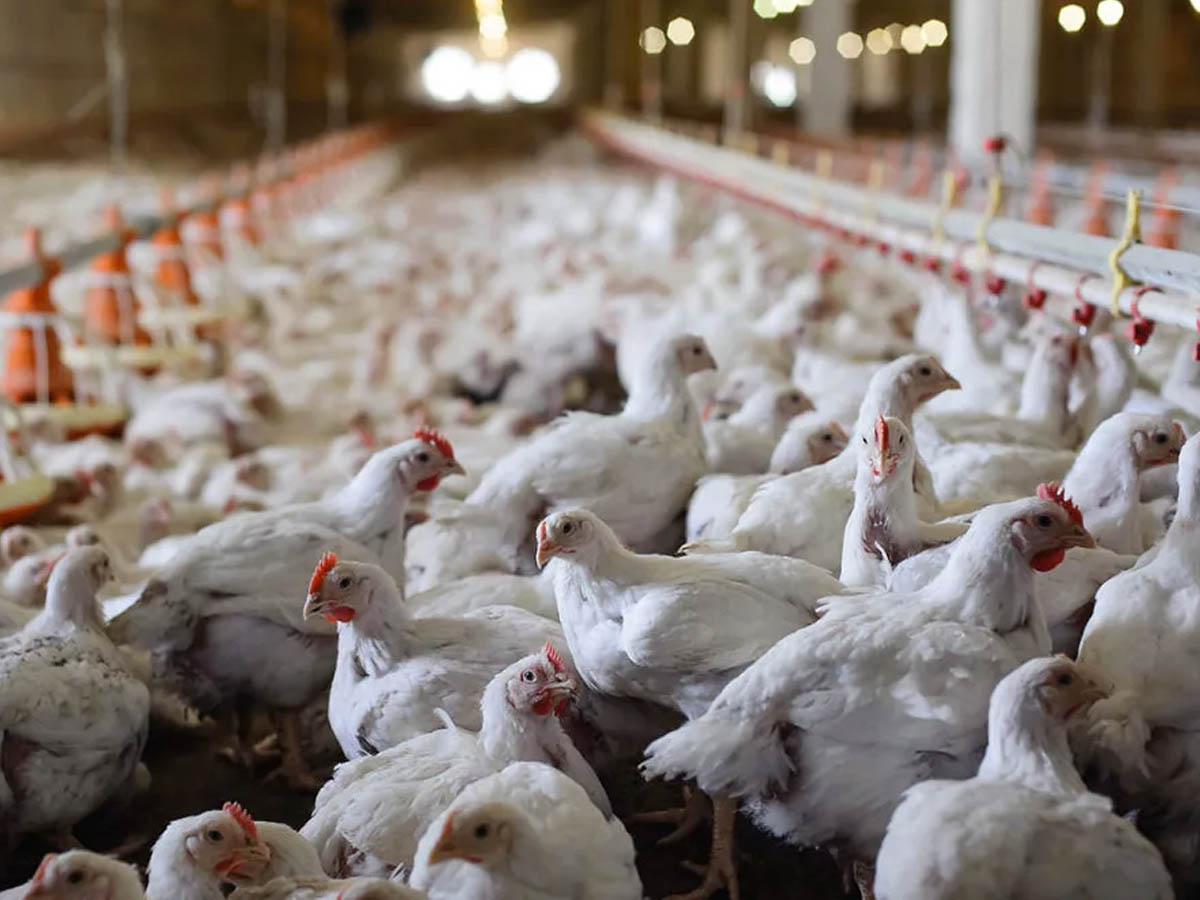
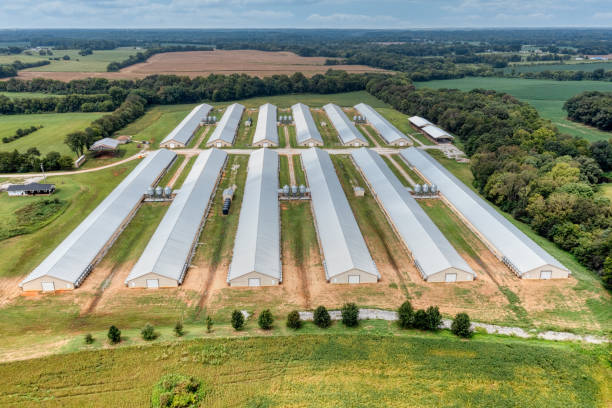
Industrial broiler farming refers to large-scale chicken production systems that utilise advanced technology and automation to achieve maximum efficiency.
These systems include:
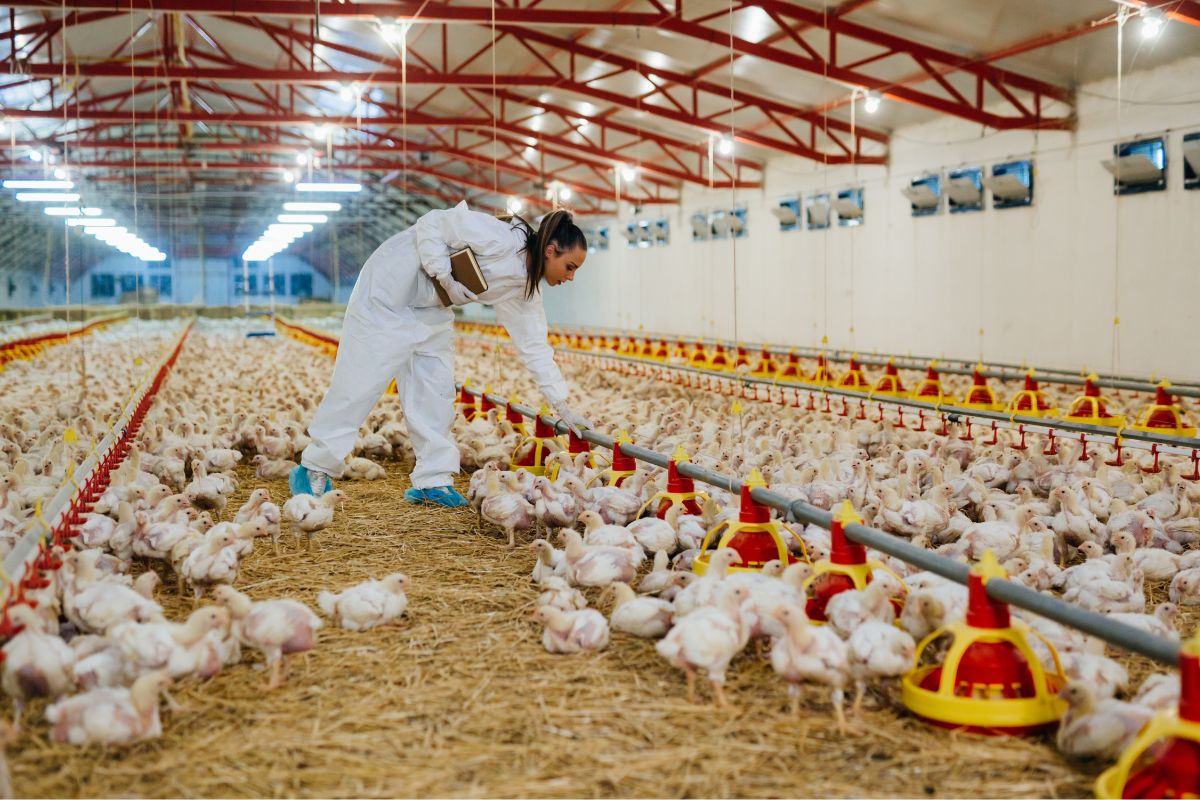
- Automated feeding and watering systems
- Climate-controlled housing
- AI-based monitoring systems
- Integrated supply chain management
Unlike traditional farms, industrial systems operate with precision and consistency, ensuring predictable results.
Traditional vs Industrial Poultry Farming
Feature             | Traditional Farm            | Industrial Broiler Farm
--------------------|-----------------------------|----------------------------
Management          | Manual                     | Automated & Managed
Efficiency          | Low                        | High
Energy Usage        | High                       | Optimised (Solar supported)
Labour Dependency    | High                       | Low
Profit Stability    | Variable                   | Stable
Financial Performance Overview
Industrial broiler farming is designed to deliver strong and predictable financial returns.
Investment Metrics
Metric                | Value
----------------------|----------------
Initial Investment    | Medium – High
Net ROI                   | Up to 16% net
Payback Period        | From 6 years
Income Frequency      | Every 35–45 Days
These metrics make poultry farming one of the most attractive options for long-term investors.
Passive Income Model
One of the most significant advantages of industrial broiler farming is the ability to generate passive income.
How it Works:
- Investors own the physical asset (farm and infrastructure)
- Operations are managed by professional teams
- Production cycles run continuously
- Revenue is distributed on a regular basis
This structure allows investors to benefit without being involved in daily operations.
Energy Efficiency and Sustainability
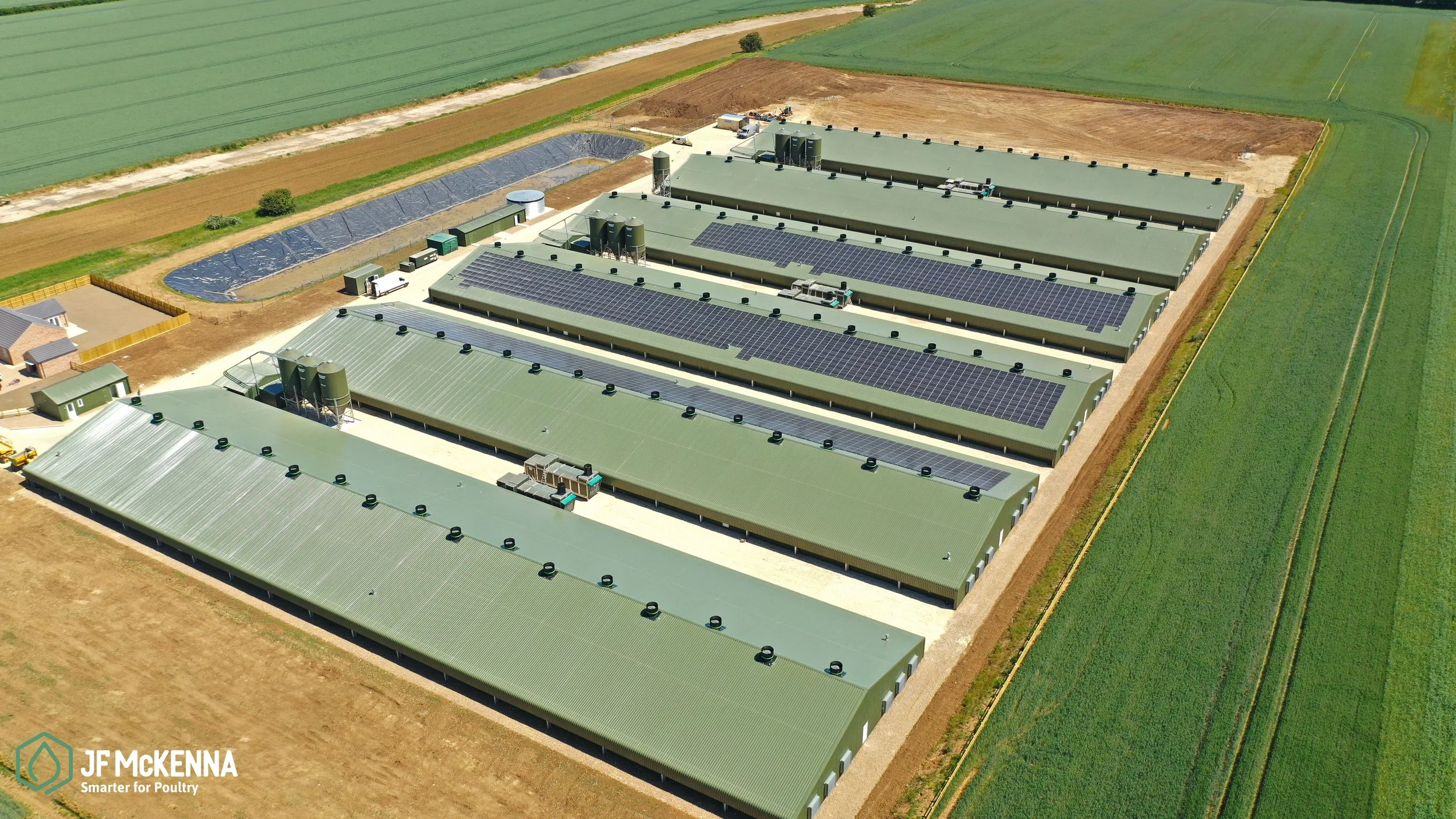
Energy costs represent a major portion of poultry farming expenses. Modern farms integrate renewable energy solutions to reduce costs and increase profitability.
Solar Energy Advantages:
- Lower electricity expenses
- Energy independence
- Increased operational efficiency
- Sustainable production
Solar-powered farms are also more attractive to environmentally conscious investors.
Advanced Risk Management
Risk management is critical in poultry investment. Industrial farms are designed with advanced biosecurity systems to minimise risks.
Biosecurity Systems
System                | Function
----------------------|------------------------------
Water Sterilization   | Eliminates pathogens
Air Filtration        | Prevents disease spread
Zoning System         | Isolates risk areas
These systems significantly reduce mortality rates and protect investment capital.
Market Demand and Growth
The global demand for poultry continues to grow due to:
- Increasing population
- Rising protein consumption
- Affordable pricing compared to other meats
Broiler production remains the most efficient way to meet this demand, ensuring long-term market stability.
Why This Investment is Future-Proof
Industrial broiler farming offers several long-term advantages:
- Short production cycles
- High feed efficiency
- Scalable infrastructure
- Technology-driven optimisation
- Strong and stable demand
These factors make it a resilient investment even in uncertain economic conditions.
Conclusion
Industrial broiler farming investment combines technology, efficiency, and financial performance into a single powerful asset class.
For investors seeking passive income, strong returns, and long-term stability, this model stands out as one of the most reliable opportunities in modern agriculture.