How UK Investors Can Earn Passive Income from Poultry Farms in Turkey
Learn how poultry farm investment in Turkey helps UK investors generate passive income through professionally managed agricultural opportunities.
20 Apr 2026
There is a gap between understanding that chicken farm investment exists as an asset class and actually knowing what happens when you commit capital to one. This page is about closing that gap.
Most investor guides skip the process detail. They show projected returns and stop there. What follows is a straightforward walkthrough of how a managed chicken farm investment actually works, from the initial commitment through to profit distribution.
Before anything else, the facility is registered in your name. This is the foundation of the entire model. A freehold title deed, issued by the relevant land registry, confirms that the physical asset belongs to you. Not to a fund, not to a platform, not to a third party.
This is the detail that separates a managed chicken farm investment from most alternative investment products on the market. You are not buying a share in something. You are owning something outright.
Once the title deed transfer is complete, the professional management team takes over full operational responsibility. This covers everything: the arrival of day-old chicks, feed and water management, climate control, biosecurity protocols, veterinary oversight, and ultimately the harvest at the end of the cycle.
As an investor, you are not involved in any of this. Your role at this stage is simply to receive reporting. Clear, cycle-by-cycle updates on how the facility is performing.
A standard broiler cycle runs approximately 45 days. During this window the birds are raised under controlled conditions, FCR is actively monitored, and the facility operates continuously. There is no downtime waiting for seasons to change or markets to open.
At the end of the cycle, the harvest is delivered to pre-arranged processing plants. The buyer is not found after the fact. Offtake agreements with major integrated processors are in place before the cycle even begins. This is how market risk is removed from the equation for the investor.
Following each harvest, profits are calculated and distributed. The cycle then resets. A well-run facility will complete six to seven cycles per year, meaning profit distribution happens six to seven times annually. Not once, not quarterly, but at the end of every completed cycle.
This rhythm is one of the more distinctive features of chicken farm investment compared to other tangible asset classes. The income is tied to production output, not rental market conditions or interest rate decisions.
It is a fair question and one worth answering directly. Biosecurity incidents, disease outbreaks, or operational disruptions are real risks in any agricultural business. In a professionally managed model, these risks are mitigated through protocol, but they cannot be eliminated entirely.
What the managed model does is ensure that the operational response sits with experts, not with the investor. Risk is not zero. But it is managed, documented, and transparent.
A chicken farm investment of this type suits investors who want physical asset ownership, a regular income cycle, and professional management without personal involvement in operations. It does not suit investors who need high liquidity or are looking for a short-term instrument.
If the structure described here makes sense for your portfolio, the next step is a direct conversation about the specifics.
Learn how poultry farm investment in Turkey helps UK investors generate passive income through professionally managed agricultural opportunities.
20 Apr 2026
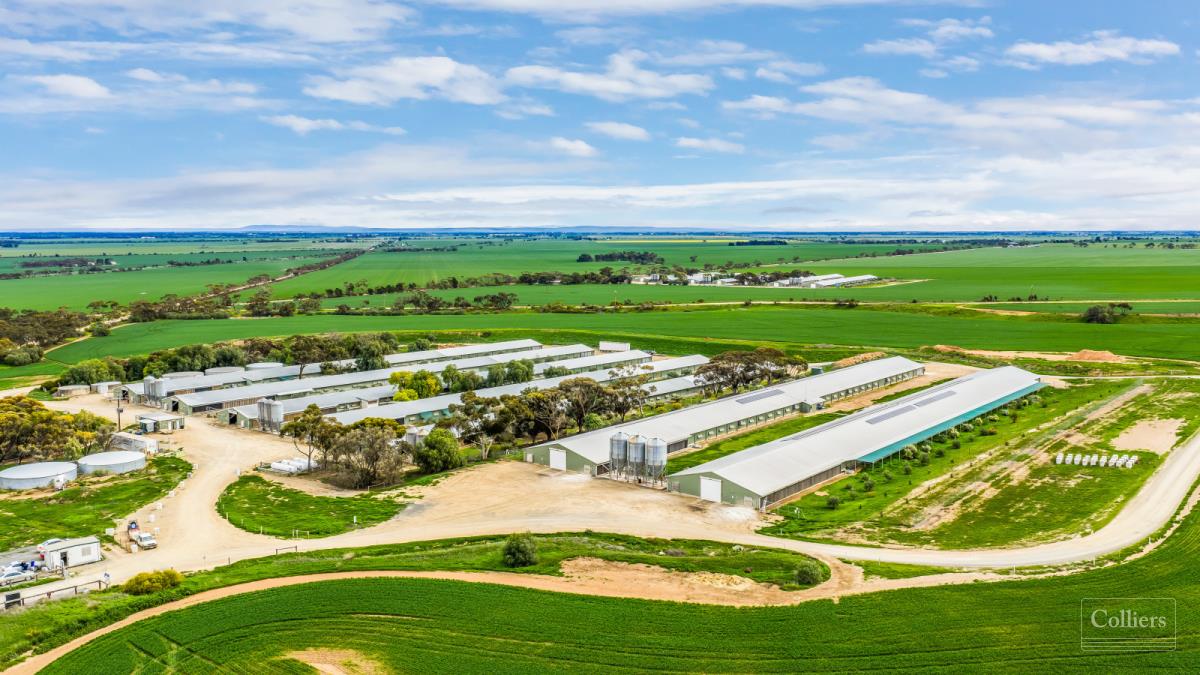
Discover why chicken farm investment has become a premier institutional asset class in 2026. From up to 16% net ROI to solar-powered efficiency and freehold title deeds, explore how Agrolidya is transforming industrial poultry into a high-yield, recession-proof financial instrument.
11 Apr 2026
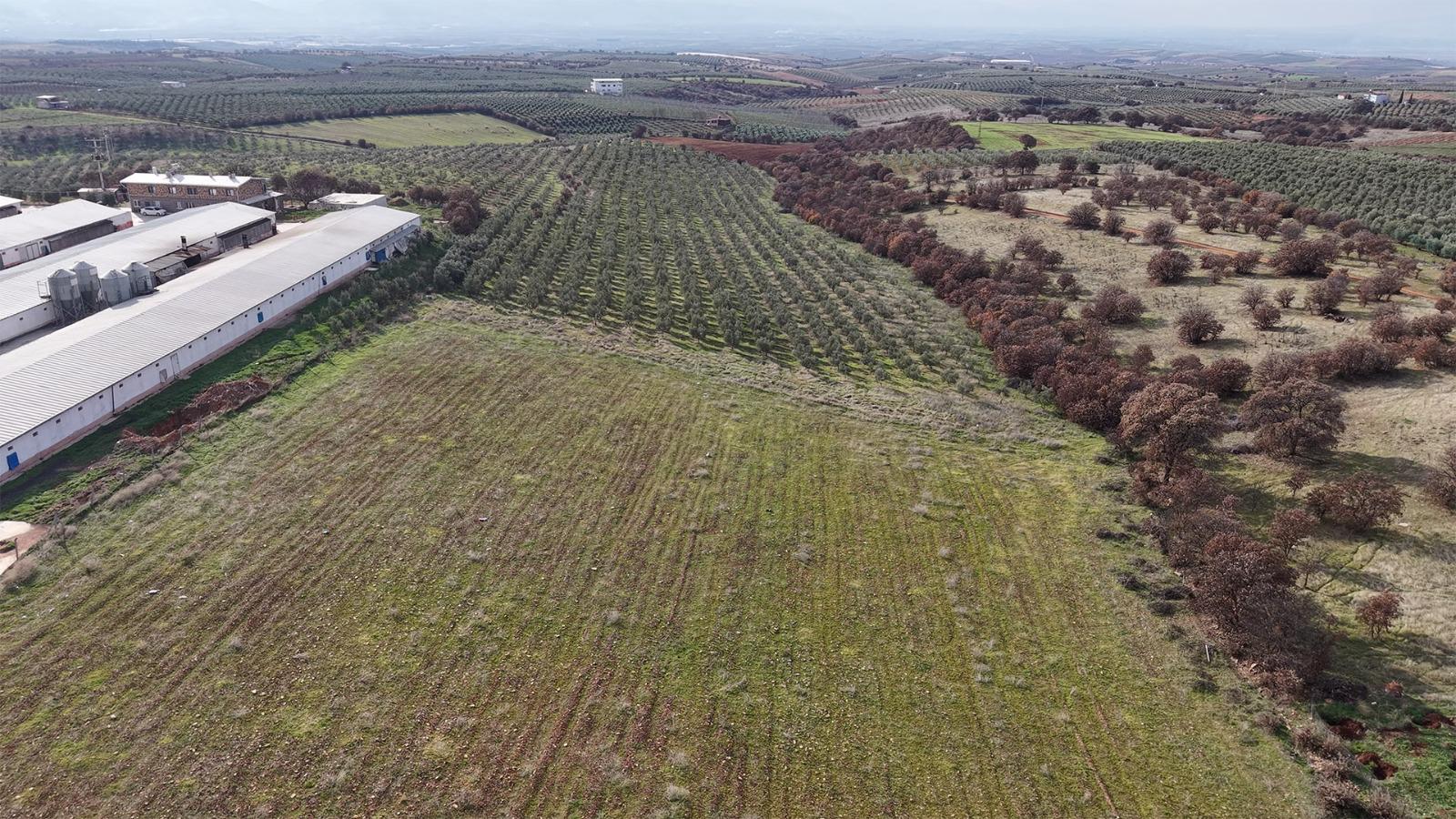
Why is poultry the world’s most consumed meat? Explore our 2026 investment blueprint for broiler production. Detailed ROI tables, risk mitigation, and smart farming tech.
11 Apr 2026
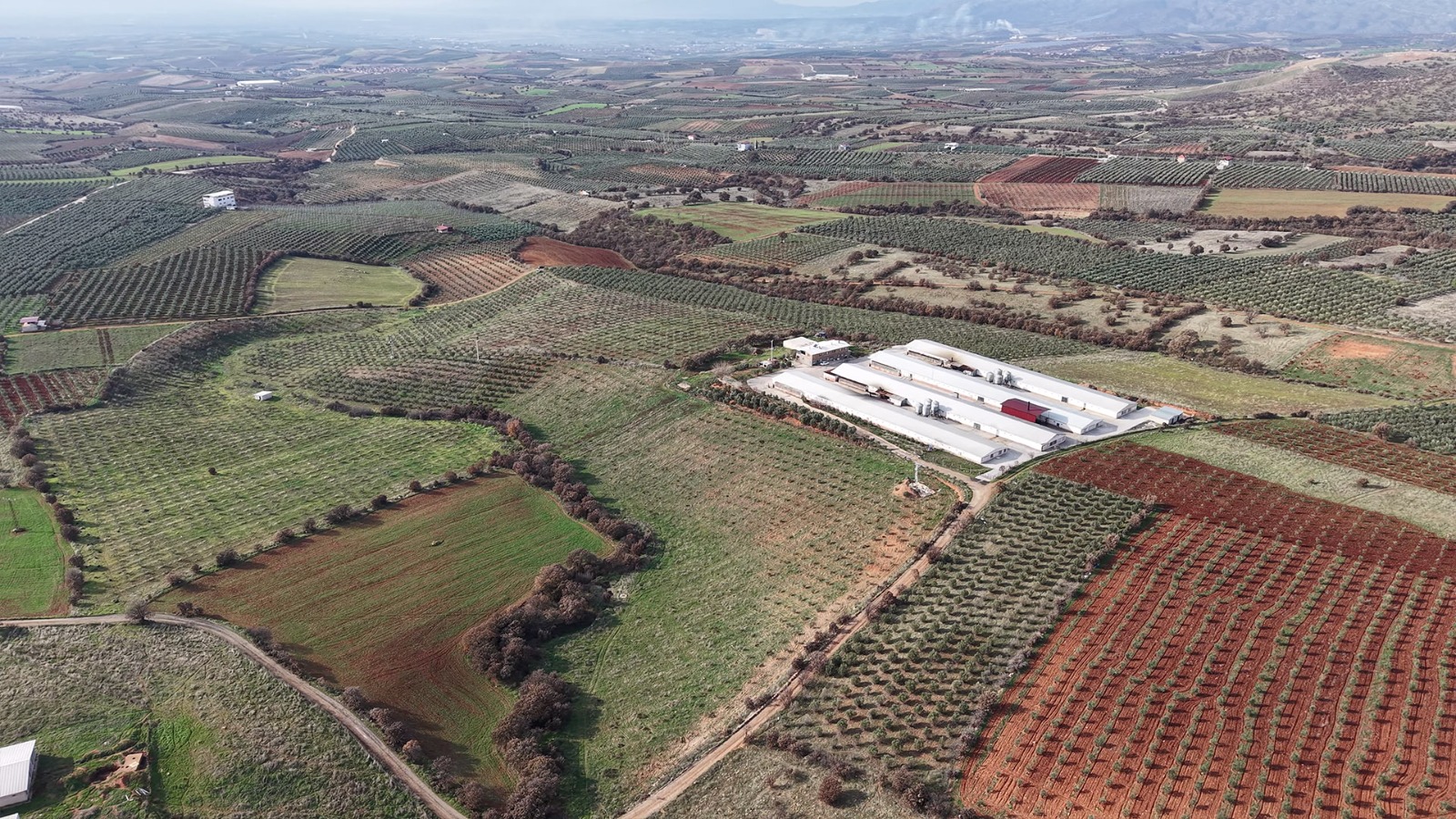
Secure your future with Agrolidya’s 750,000 m² solar-powered broiler farm in Manisa. High ROI, quarterly payouts, and freehold title deeds. Invest in the future of food today!
11 Apr 2026
Fill in the form below and our team will get back to you with full details on the investment model, projected returns, and the title deed process.