Passive Income from Poultry Farms: Is It Really Possible?
26 Apr 2026
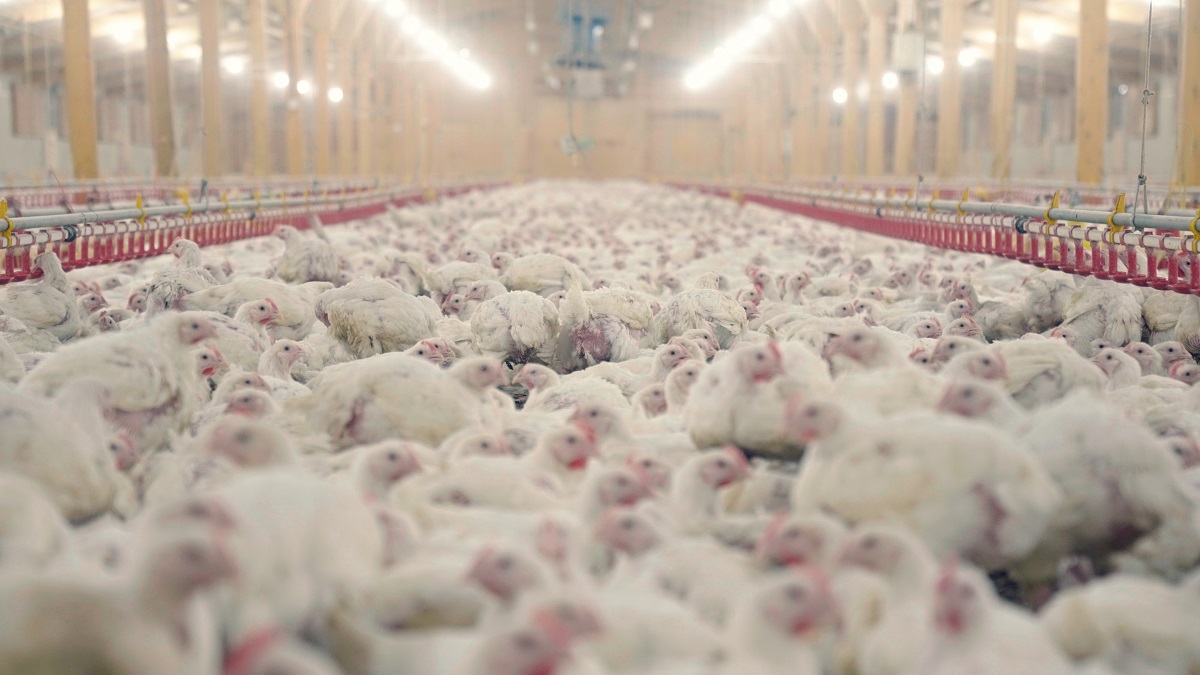
In today’s investment landscape, many investors are searching for stable, tangible, and high-yield opportunities beyond traditional assets like real estate or stocks. One option gaining significant attention is poultry farm investment—particularly for those seeking passive income.
But the real question is: Can poultry farming truly generate passive income?
The short answer is yes — but only with the right structure.
What Does “Passive Income” Mean in Poultry Farming?
Passive income doesn’t mean “zero involvement.” Instead, it refers to an investment where:
- Daily operations are handled by professionals
- You are not involved in farm management
- Income is generated regularly from production cycles
In a well-managed poultry investment model, investors own or co-own production units while experienced agricultural teams take care of:
- Feeding and animal care
- Biosecurity and health management
- Production and sales processes
This makes poultry farming one of the few agricultural investments that can be structured as semi-passive income.
How Poultry Farms Generate Income
Poultry farms typically generate revenue through:
- Meat production (broiler chickens)
- Egg production (layer chickens)
The key advantage is fast production cycles. Unlike many agricultural investments that require years, poultry farming produces returns in short, repeatable cycles, creating consistent cash flow.
What Kind of Returns Can Investors Expect?
One of the biggest reasons poultry investment is attracting attention is its strong return potential.
- Average annual returns are up to 16% net in well-managed operations
- Initial investment is typically recovered from around 6 years
- After the payback period, the investment continues to generate profit
Of course, returns depend on factors like:
- Farm management quality
- Feed costs and supply chain efficiency
- Market demand and pricing
However, compared to many traditional investments, poultry farming offers a compelling balance of risk and reward.
Is Poultry Farming Truly Passive?
Here’s the honest part:
Poultry farming is not passive by default.
If you try to run a farm yourself without expertise, it quickly becomes:
- Time-consuming
- Operationally complex
- Risky
However, with a managed investment model, it becomes significantly more passive. Investors can:
- Receive regular performance updates
- Monitor financial returns
- Stay hands-off operationally
This is why professionally managed poultry farm investments are becoming increasingly popular among international investors.
Why Investors Are Turning to Poultry Farms
Several global trends are driving interest in this sector:
- Rising demand for affordable protein
- Population growth
- Increasing food security concerns
- Shift toward real asset investments
Unlike volatile markets, poultry farming is tied to essential consumption, making it more resilient during economic fluctuations.
Key Risks to Consider
No investment is risk-free. In poultry farming, key risks include:
- Disease outbreaks (managed with strict biosecurity)
- Feed price volatility
- Market price fluctuations
The impact of these risks can be significantly reduced through professional management and proper infrastructure.
Final Verdict: Is It Really Possible?
Yes — passive income from poultry farms is absolutely possible, but only under the right conditions.
If the investment is:
- Professionally managed
- Built on efficient production systems
- Supported by strong market demand
Then poultry farming can deliver:
- up to 16% net annual returns
- payback from 6 years
- Long-term recurring income
Looking Ahead
For investors seeking high-yield, asset-backed, and relatively stable income, poultry farm investment stands out as a powerful alternative.
The key is not just investing in a farm — but investing in the right system.