Why British Investors Are Looking to Turkish Agriculture in 2026
26 Jun 2026
Global investment priorities have shifted significantly over the past few years. While traditional sectors such as commercial property and equities remain important, many investors are increasingly looking towards real assets that offer long-term resilience. Agriculture has emerged as one of those sectors, driven by rising food demand, population growth, and the need for sustainable food production.
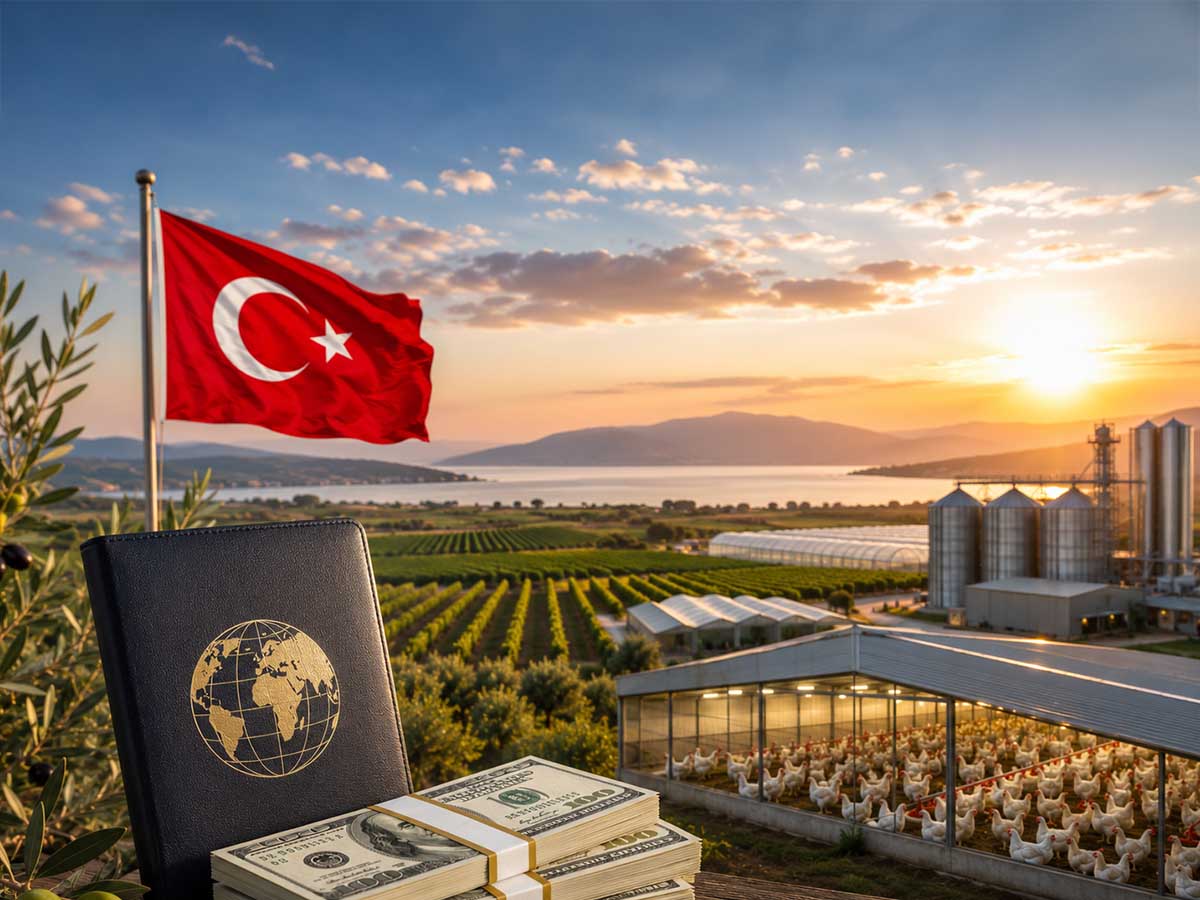
For many looking to invest in Turkish agriculture UK, Turkey presents an attractive combination of fertile land, competitive operating costs, strategic geography, and growing agricultural infrastructure. Rather than viewing agriculture simply as farming, British investors are increasingly recognising it as a modern business sector with scalable opportunities and long-term potential.
In this guide, we'll explore why Turkey has become a popular destination for agricultural investment, the sectors attracting international attention, and the key factors UK investors should consider before making an investment in 2026.
Why Agriculture Is Attracting Global Investors
Agriculture has always been essential to the global economy, but recent events have reinforced its strategic importance.
Growing populations, supply chain disruptions, climate challenges, and increasing demand for affordable food have all highlighted the need for reliable agricultural production. As a result, many investors are seeking opportunities that are linked to long-term global demand rather than short-term market cycles.
Unlike many industries, agriculture is supported by an enduring requirement: people will always need food.
Modern agricultural investment extends well beyond traditional crop farming. Today it includes:
- Poultry production
- Greenhouse cultivation
- Olive farming
- Fruit orchards
- Livestock production
- Food processing
- Agricultural technology
- Integrated farming projects
Professional management and modern production systems have made agricultural investments more accessible to investors without direct farming experience.
Why British Investors Are Choosing Turkey
Turkey has become one of Europe's most attractive agricultural markets for international investors.
Several factors contribute to its growing appeal.
Strategic Location
Turkey occupies a unique geographical position between Europe, Asia, and the Middle East.
This allows agricultural producers to serve multiple export markets efficiently while also benefiting from a large domestic consumer base.
For investors, this geographical advantage creates opportunities for businesses with both local and international growth potential.
Diverse Agricultural Production
Turkey's varied climate supports a remarkably wide range of agricultural activities.
These include:
- Poultry farming
- Olive cultivation
- Vineyards
- Citrus production
- Greenhouse vegetables
- Grain farming
- Livestock operations
This diversity enables investors to choose sectors that align with their financial goals and risk preferences.
Competitive Investment Costs
Compared with many Western European countries, Turkey generally offers lower costs for:
- Agricultural land
- Construction
- Labour
- Farm infrastructure
- Operational expenses
Lower production costs can improve overall investment efficiency without compromising modern production standards.
Strong Agricultural Heritage
Agriculture has been a cornerstone of Turkey's economy for generations.
The country benefits from experienced producers, established supply chains, modern logistics, and expanding agricultural infrastructure.
For international investors, this creates an environment where professional expertise is readily available.
Sectors Offering Strong Investment Potential
Agriculture is not a single investment category. Several industries within the sector continue to attract growing international interest.
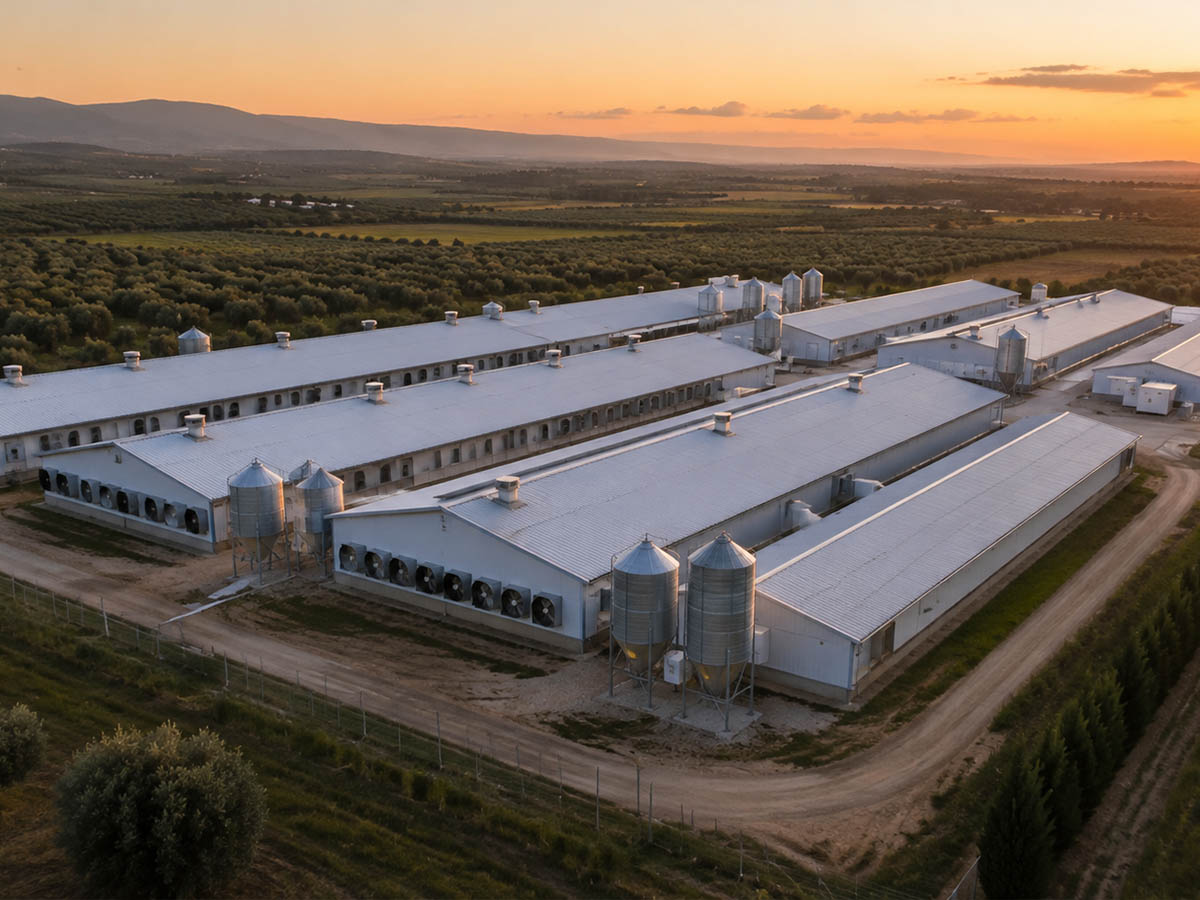
Poultry Production
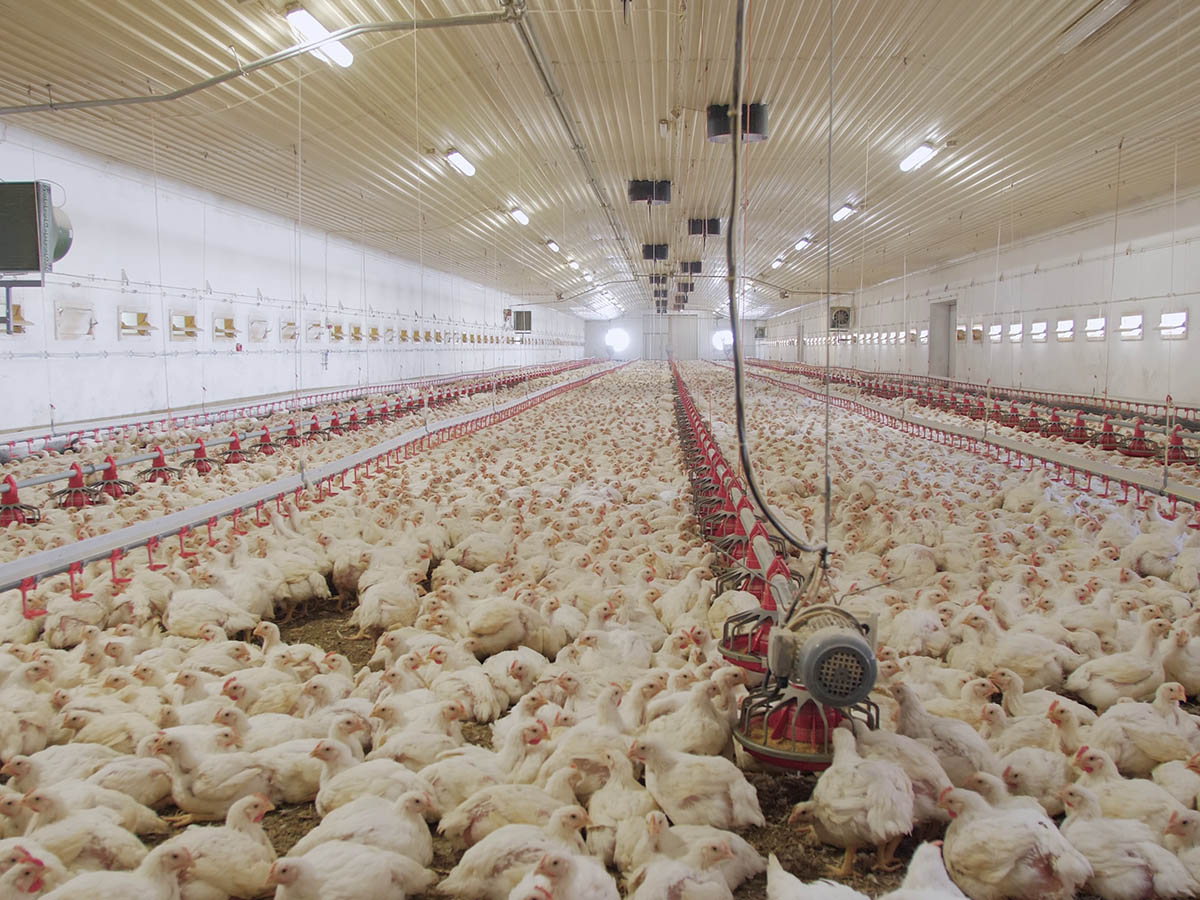
Poultry remains one of the fastest-growing protein sectors worldwide.
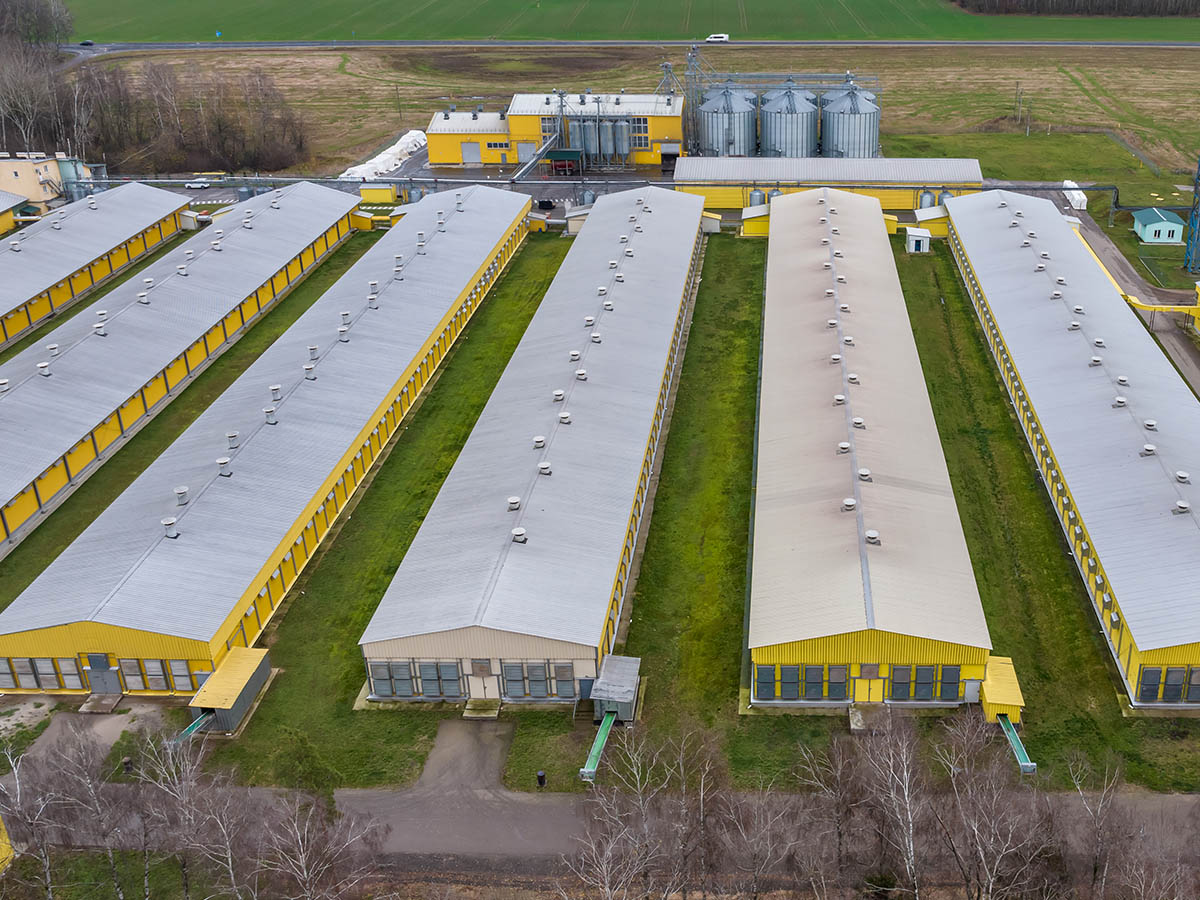
As consumer demand continues to rise, professionally managed poultry production facilities offer investors exposure to an industry with consistent long-term demand.
Integrated poultry production projects are particularly attractive because they combine modern facilities with professional operational management.
Olive Farming
Turkey is one of the world's leading olive-producing countries.
High-quality olive oil continues to enjoy increasing international demand, creating opportunities for investors interested in long-term agricultural assets.
Modern olive plantations also benefit from relatively low maintenance requirements once trees reach maturity.
Greenhouse Agriculture
Controlled-environment agriculture allows producers to extend growing seasons and improve production efficiency.
Greenhouse investments are becoming increasingly popular due to their ability to deliver higher productivity while using water and other resources more efficiently.
Integrated Agricultural Projects
One of the most significant developments in recent years has been the emergence of integrated agricultural investment projects.
Rather than purchasing farmland and managing operations independently, investors participate in professionally organised developments where technical management, infrastructure, maintenance, and production are handled by experienced teams.
This approach reduces many of the operational challenges traditionally associated with farming.
Why 2026 Presents New Opportunities
Several long-term trends continue to support agricultural investment.
Rising Global Food Demand
The world's population continues to increase, driving greater demand for protein, fresh produce, and processed food products.
Meeting this demand requires continued investment in efficient agricultural production.
Food Security
Governments and businesses increasingly recognise the importance of secure food supply chains.
This has encouraged greater investment in domestic food production and agricultural infrastructure across many countries.
Technological Innovation
Modern agriculture has changed dramatically over the past decade.
Today's farms increasingly use:
- Automated feeding systems
- Climate monitoring
- Precision irrigation
- Environmental sensors
- Digital farm management software
- Data-driven production analysis
Technology improves efficiency while helping reduce waste and operational costs.
Sustainable Investment Trends
Environmental, Social and Governance (ESG) considerations have become increasingly important for investors.
Modern agricultural projects often incorporate sustainable production practices, efficient resource management, renewable energy solutions, and responsible environmental planning.
These developments have increased agriculture's appeal among long-term investors seeking resilient, real-world assets.
What UK Investors Should Consider Before Investing
Every investment requires careful research.
Before investing in Turkish agriculture, British investors should evaluate several important factors.
Project Structure
Is the investment based on direct land ownership, a managed production unit, or participation in a larger agricultural development?
Understanding the legal and operational structure is essential.
Management Expertise
Agricultural success depends heavily on professional management.
Projects supported by experienced agricultural teams generally provide greater operational stability than independently managed farms.
- Production Model
- Investors should understand:
- Production capacity
- Operational processes
- Technology used
- Biosecurity measures
- Maintenance responsibilities
- Marketing strategy
Transparency is a strong indicator of project quality.
Financial Projections
Projected returns should be supported by realistic production assumptions rather than optimistic forecasts.
Responsible investment decisions rely on careful financial analysis and long-term planning.
The Advantages of Professionally Managed Agricultural Investments
Many British investors have limited farming experience.
This no longer presents the barrier it once did.
Professionally managed agricultural developments enable investors to participate in food production without overseeing daily farm operations.
Typical advantages include:
- Experienced management teams
- Modern infrastructure
- Technical support
- Centralised maintenance
- Professional production monitoring
- Established operational procedures
This allows investors to focus on ownership while agricultural specialists manage production activities.
Is Turkish Agriculture Right for Every Investor?
Agriculture should be viewed as a long-term investment rather than a short-term trading opportunity.
Returns depend on numerous factors, including production efficiency, market conditions, management quality, and operational performance.
Investors seeking quick profits may find other sectors more suitable.
However, those looking for exposure to real assets supported by enduring global demand often find agriculture an attractive addition to a diversified investment portfolio.
Turkey's expanding agricultural infrastructure, competitive production costs, favourable climate, and strategic location continue to strengthen its position as one of the region's most compelling agricultural investment destinations.
Conclusion
Interest in Turkish agriculture is growing steadily among British investors, and the reasons are clear. Strong agricultural expertise, competitive operating costs, strategic access to international markets, and increasing global food demand have created an environment where professionally managed farming projects can offer attractive long-term opportunities.
For those looking to invest in Turkish agriculture UK, success begins with selecting the right project, understanding the operational model, and working with experienced agricultural professionals. Whether the focus is poultry production, olive cultivation, greenhouse farming, or integrated agribusiness, Turkey continues to offer a diverse range of opportunities for investors seeking resilient assets with long-term growth potential.
As always, thorough due diligence and independent financial advice should form part of any investment decision. With careful planning and the right partners, Turkish agriculture can become a valuable component of a well-balanced international investment portfolio.