What Makes a Poultry Farm a Real Asset Investment? A UK Investor’s Guide to Turkey
20 Aug 2026
For UK investors, the search for diversification increasingly extends beyond property, equities and conventional financial products. Tangible assets connected to essential industries are attracting greater attention, and agriculture is becoming an important part of that conversation.
This is where poultry farm investment UK investors may find an interesting alternative. Rather than purchasing shares in an agricultural company or investing through a fund, a professionally structured poultry investment in Turkey can be built around ownership of a physical production asset.
The distinction matters.
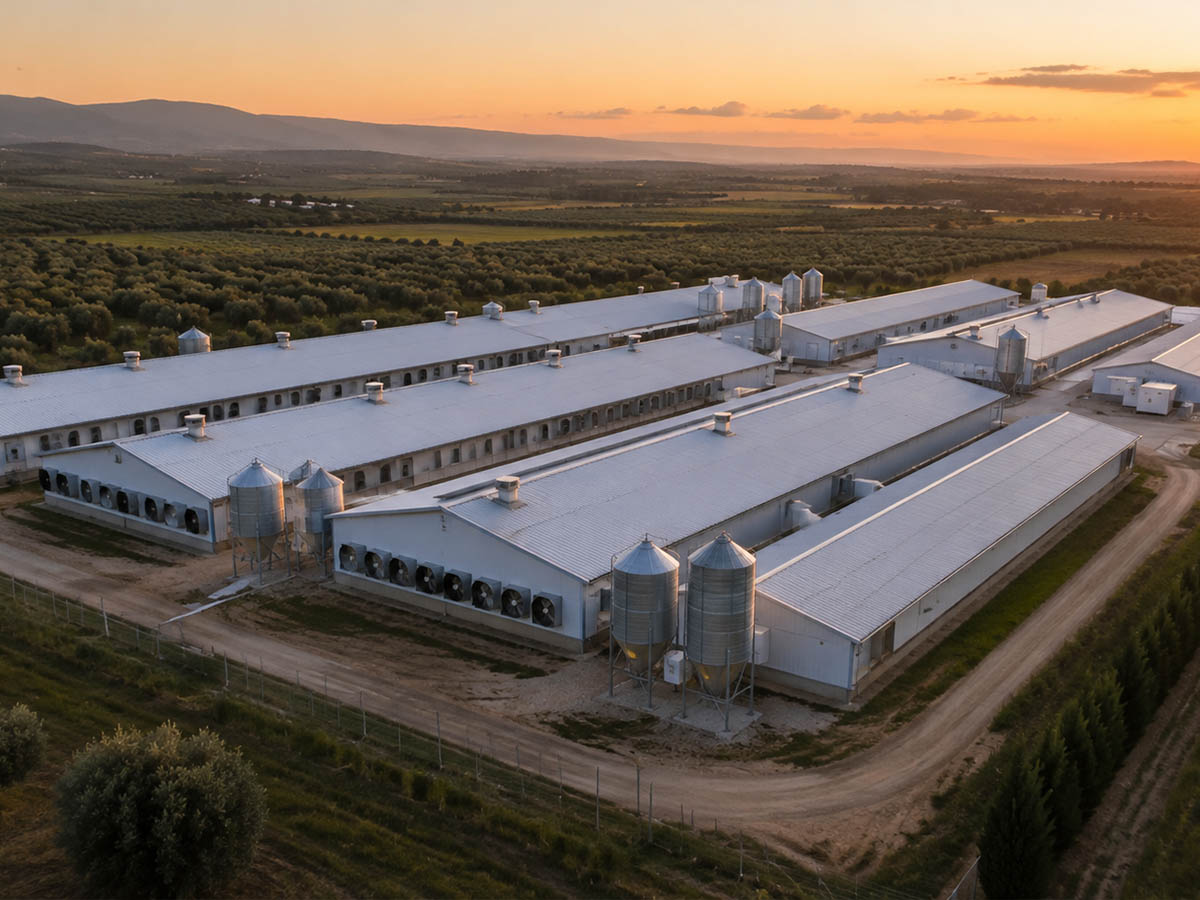
A modern poultry farm consists of land, production buildings, automated equipment and infrastructure designed for one purpose: producing food. When that physical asset is registered directly to the investor and professionally operated, the investment is fundamentally different from holding a paper-based financial product.
For British investors looking towards Turkey, this combination of tangible ownership, professional management and continuous production is what makes modern poultry farming an increasingly interesting real asset investment.
What Makes Poultry Farm Investment a Real Asset?
A real asset is something tangible that has an underlying physical or productive value.
Property is perhaps the most familiar example. An investor purchases a house, commercial building or industrial unit and owns something that physically exists.
A modern poultry facility follows the same basic principle of tangible ownership, but with an important difference: it is designed specifically for production.
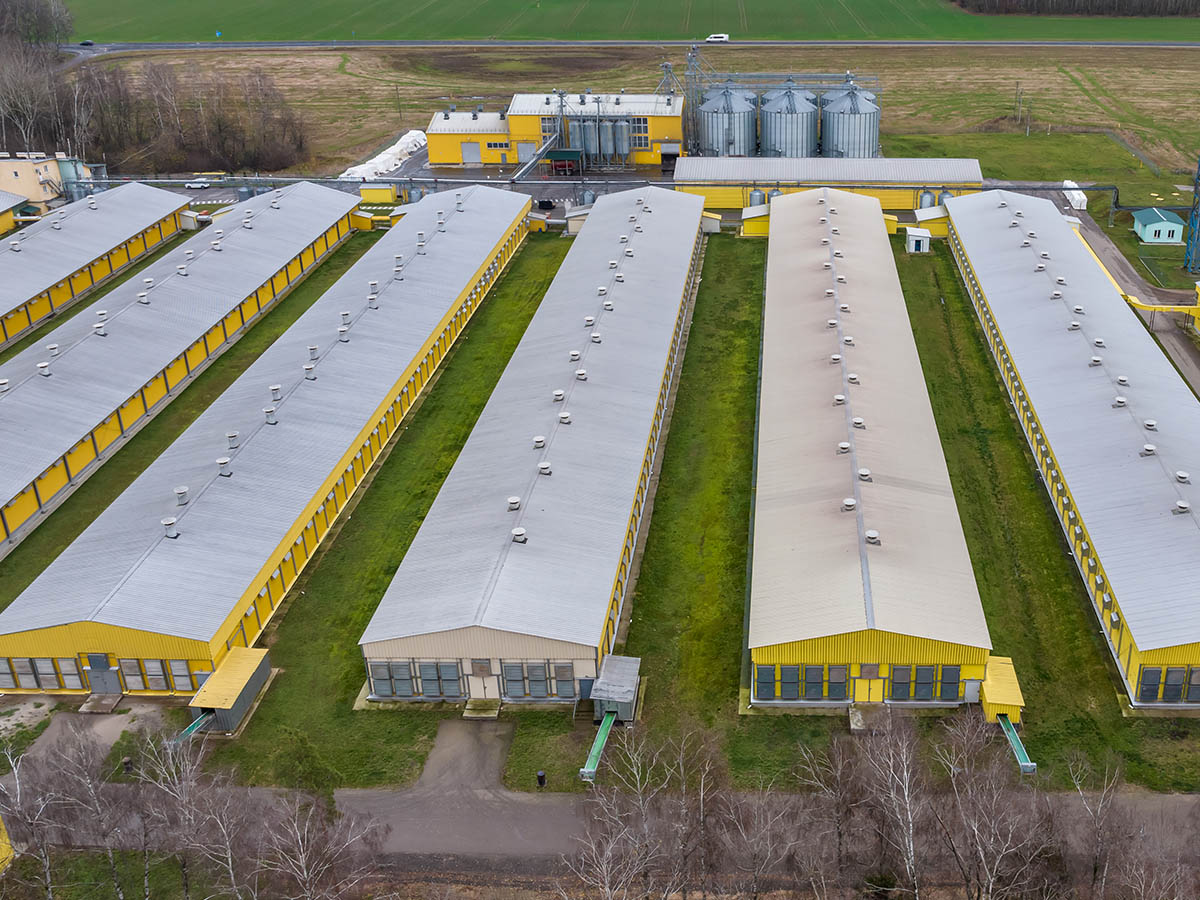
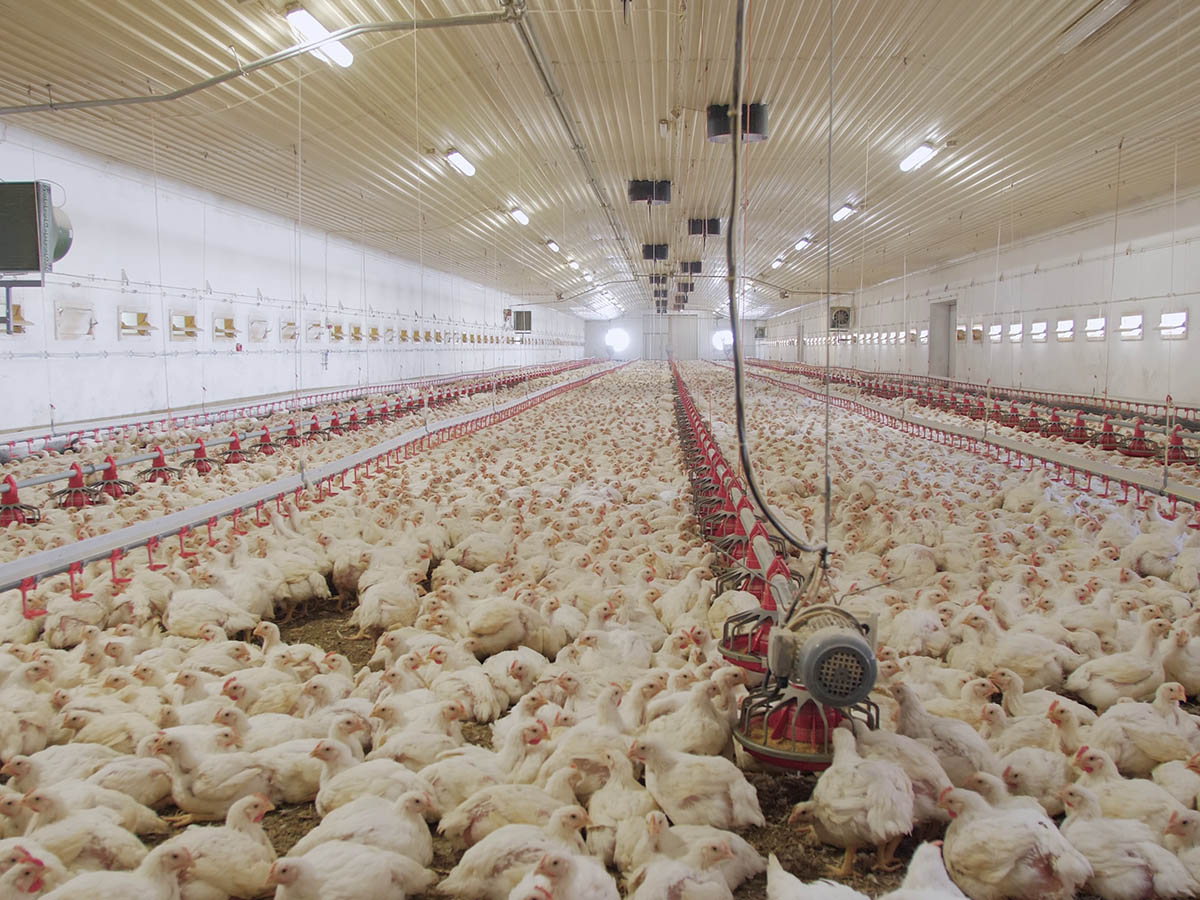
The facility may include climate-controlled broiler houses, automated feeding and drinking systems, ventilation equipment, energy infrastructure, biosecurity systems and supporting agricultural land.
These components work together as a commercial production facility.
For investors, this creates two distinct layers of value.
The first is physical ownership.
In a properly structured investment model, the investor is not simply purchasing participation in a business or receiving a contractual promise of future returns. The investment is connected to an identifiable physical asset.
The second is productive capacity.
A poultry facility is not designed merely to exist or appreciate over time. It is built to operate continuously through repeated broiler production cycles.
That productive function is what separates poultry infrastructure from many passive tangible assets.
The farm has a practical economic purpose: producing one of the world's most widely consumed sources of animal protein.
For investors seeking diversification away from purely financial assets, this combination of physical ownership and productive capacity can be particularly attractive.
Why UK Investors Are Looking at Poultry Investment in Turkey
For British investors, Turkey offers an interesting combination of geographic proximity, agricultural experience and established poultry production infrastructure.
Turkey has a long history of commercial agriculture and a developed food production industry. Its location between Europe, the Middle East and Asia also places it close to several major consumer markets.
But there is another important consideration for UK investors: purchasing power.
Capital raised in pounds sterling can access agricultural land, construction, equipment and operational resources in Turkey under a very different cost structure from the United Kingdom.
This can allow investors to consider productive agricultural assets that would require significantly greater capital to develop in the UK.
Rather than purchasing another residential property or commercial unit, an investor can diversify into infrastructure designed specifically for food production.
The relationship between the UK and Turkey also extends well beyond tourism. British businesses and investors already participate across multiple areas of the Turkish economy, making Turkey a familiar international investment destination for many UK-based investors.
Agriculture adds another dimension to this relationship.
As concerns around food security, population growth and global protein demand become increasingly important, productive agricultural assets are gaining strategic relevance.
A poultry production facility provides exposure to these trends through a tangible asset rather than through shares in a listed food company.
From Physical Ownership to Professional Poultry Production
Owning a poultry farm does not automatically make it a strong investment.
The asset needs to produce efficiently.
This is why modern broiler production increasingly depends on technology and professional management.
A commercial facility may use:
· Automated feeding systems
· Automated drinking systems
· Climate-controlled poultry houses
· Intelligent ventilation
· Temperature and humidity monitoring
· Digital production management
· Backup energy systems
· Structured biosecurity procedures
A typical broiler production cycle lasts approximately 40–45 days. During that period, environmental conditions, feed consumption, water intake, ventilation and animal health must be carefully managed.
Once a production cycle is completed, the facility is prepared for the next cycle.
This means the physical asset can participate in several production cycles throughout the year.
For an investor based in London, Manchester, Birmingham or elsewhere in the UK, personally managing these processes would clearly be unrealistic.
That is why the managed poultry investment model is so important.
Professional operations teams can handle daily production, climate control, feed management, veterinary oversight, biosecurity, maintenance and harvest logistics.
The investor owns the underlying asset while experienced professionals operate the production facility.
This separation between ownership and operations transforms poultry farming from a traditional owner-operated agricultural business into a potentially accessible real asset investment for international investors.
Why Real Asset Ownership Matters for UK Investors
Modern investment portfolios often contain assets that exist primarily in financial form.
Shares represent ownership in companies. Bonds represent debt. Funds provide exposure to collections of securities.
These investments can play an important role in a diversified portfolio, but some investors also want assets they can identify physically.
Agricultural infrastructure offers that opportunity.
With a poultry production investment, capital is connected to land, buildings, equipment and productive capacity.
More importantly, the asset participates in the real economy.
Its purpose is not simply to increase in value because another investor may be willing to pay more for it in the future. Its purpose is to produce food.
That distinction becomes increasingly relevant when investors consider long-term global trends.
Population growth continues to support food demand. Protein consumption remains a fundamental part of global diets, and chicken is widely consumed across different cultures and income groups.
A professionally managed poultry facility therefore connects tangible ownership with an essential consumer market.
This does not mean poultry investment is without risk.
Agricultural production involves operational risks including disease, energy costs, equipment performance and changing market conditions. Biosecurity, management quality and technical efficiency are therefore critical.
Liquidity must also be considered. A physical poultry facility cannot generally be bought and sold as quickly as listed shares.
For this reason, poultry investment is more appropriate for investors with a medium- to long-term perspective who understand the characteristics of owning a productive physical asset.
A Different Way to Think About Agricultural Investment
The traditional image of agricultural investing is changing.
Modern poultry farming is increasingly defined by automation, data, climate control, professional operations and structured production systems.
For UK investors, Turkey provides an opportunity to participate in this transformation through tangible agricultural infrastructure.
Instead of asking only, “How much can this investment return?”, investors should also ask:
What exactly do I own?
That question is particularly important when evaluating alternative investments.
A properly structured poultry farm investment provides a straightforward answer: a physical production asset designed to operate within an essential global industry.
When combined with professional management, modern technology and disciplined biosecurity, poultry infrastructure can become more than simply agricultural property.
It becomes a productive real asset.
For British investors seeking diversification beyond traditional property and financial markets, professionally managed poultry farms in Turkey offer a distinctive opportunity: ownership of tangible infrastructure connected directly to food production.
And in an investment world increasingly dominated by financial instruments and intangible assets, owning something real, productive and professionally operated can be a powerful proposition.