Poultry Farm Investment: Profitable Chicken Farming Business Guide 2026
10 Apr 2026
Poultry Farm Investment: A Profitable and Sustainable Agribusiness Opportunity
Introduction
Poultry farming has emerged as one of the most profitable and scalable agribusiness sectors globally. With rising demand for affordable protein sources such as chicken meat and eggs, poultry farm investments have become increasingly attractive to both small-scale entrepreneurs and large institutional investors. This sector offers relatively quick returns, consistent cash flow, and the potential for expansion, making it a compelling choice for those seeking long-term, sustainable income.
In recent years, the poultry industry has benefited from advancements in technology, improved breeding techniques, and integrated supply chain models. These developments have significantly reduced operational risks while increasing productivity and profitability.
This blog explores poultry farm investment in depth—covering market potential, business models, cost structure, profitability, risks, and strategic considerations for investors.
1. Understanding Poultry Farming
Poultry farming involves raising domesticated birds such as chickens, turkeys, ducks, and geese for meat or eggs. However, commercial poultry farming is largely dominated by chickens due to their high efficiency and global demand.
There are two primary segments:
1.1 Broiler Production (Meat Production)
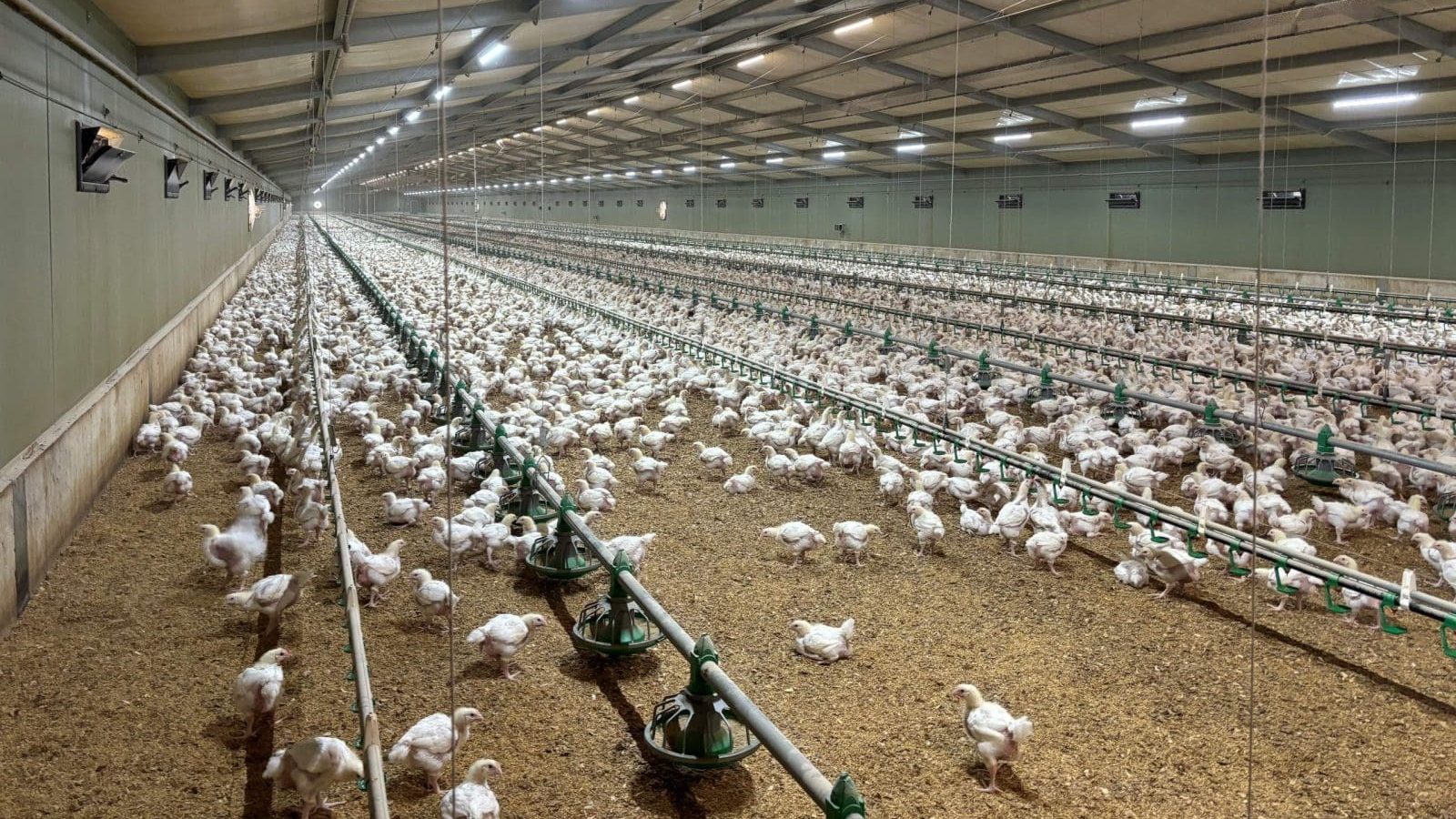
Broilers are chickens raised specifically for meat. They grow rapidly and typically reach market weight within 35–45 days. This short production cycle allows for multiple batches per year, ensuring fast cash turnover.
1.2 Layer Production (Egg Production)
Layers are hens bred for egg production. They begin laying eggs at around 18 weeks and continue for up to 72 weeks, providing a steady and predictable income stream.
2. Why Invest in Poultry Farming?
2.1 Growing Global Demand
The global population continues to grow, and so does the demand for affordable protein. Chicken is one of the most consumed meats worldwide due to its affordability and versatility.
2.2 High Return on Investment (ROI)
Compared to many other agricultural sectors, poultry farming offers faster returns. A broiler farm, for example, can generate revenue within 1.5 months.
2.3 Scalability
Poultry farms can start small and expand gradually. Investors can scale operations by increasing the number of birds, adding new houses, or integrating vertically.
2.4 Integrated Business Models
Many successful poultry operations operate under contract farming or integrated systems where large companies supply chicks, feed, veterinary support, and guarantee purchase.
2.5 Low Land Requirement
Unlike crop farming, poultry farming requires relatively less land, making it suitable even for investors with limited space.
3. Types of Poultry Investment Models
3.1 Independent Farming
In this model, the investor manages the entire process:
- Purchasing chicks
- Feeding and healthcare
- Selling products in the market
While this model offers higher profit margins, it also involves higher risk.
3.2 Contract Farming
This is one of the most popular models today. The investor provides infrastructure (land and poultry house), while a large poultry company provides:
- Day-old chicks
- Feed
- Veterinary services
- Technical support
The company also buys back the chickens at the end of the cycle. The farmer earns a fixed income per kilogram of live weight.
3.3 Integrated Farming
Large-scale investors may choose vertical integration, controlling:
- Hatchery
- Feed mill
- Farm production
- Processing and distribution
This model offers maximum profit but requires significant capital.
4. Initial Investment Requirements
The cost of setting up a poultry farm depends on scale, location, and technology used.
4.1 Land
Land costs vary significantly by region. A poultry farm requires:
- Adequate distance from residential areas
- Access to water and electricity
- Good transportation infrastructure
4.2 Infrastructure
Key components include:
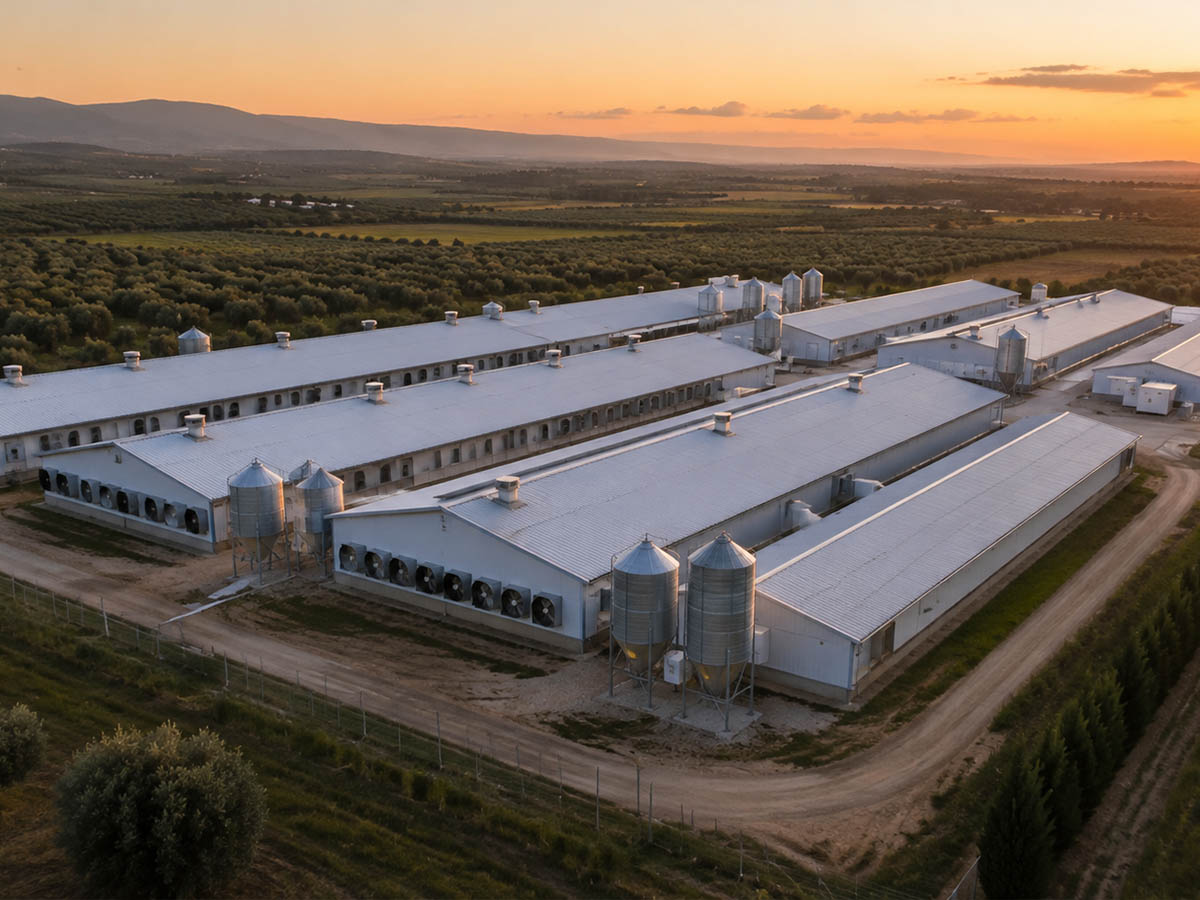
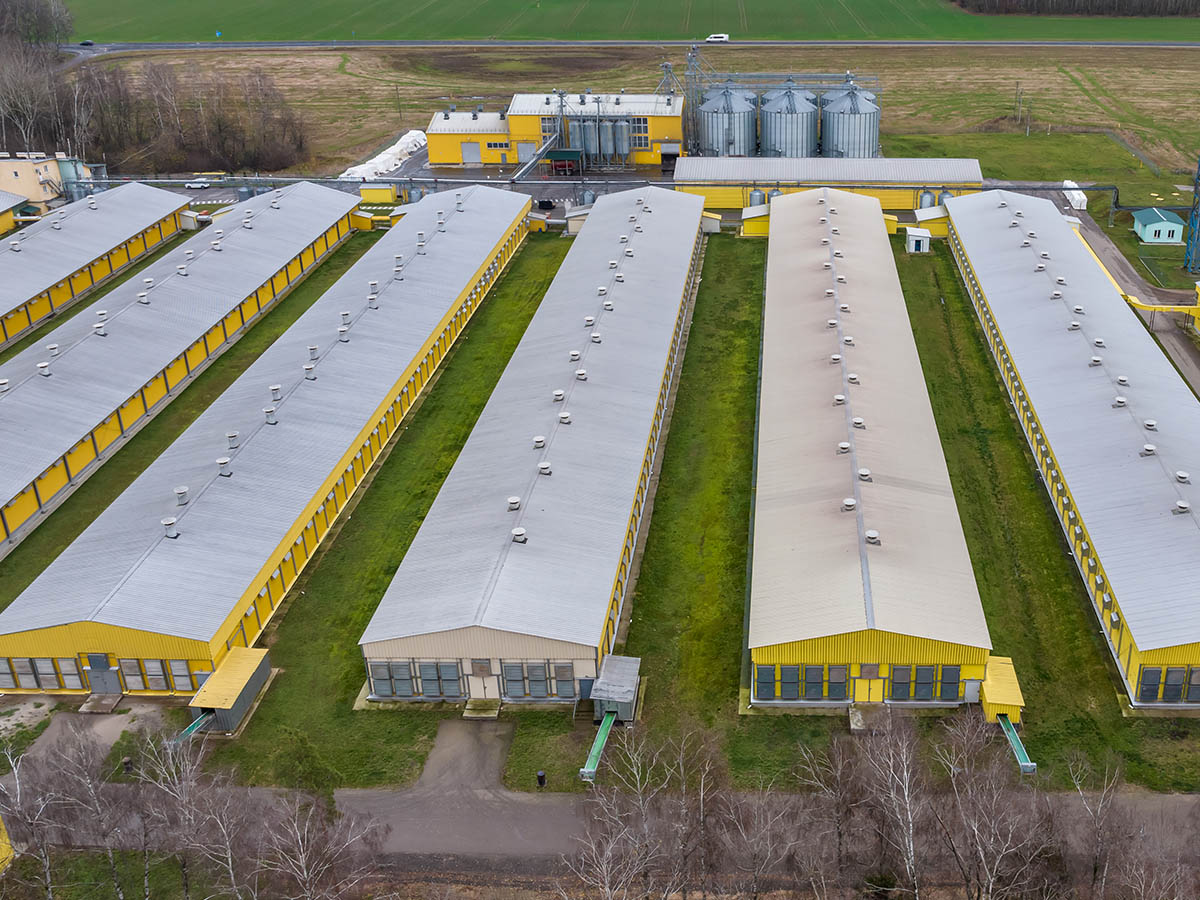
- Poultry houses (closed or open system)
- Feeding systems
- Drinking systems
- Ventilation and climate control
Modern closed-system poultry houses are more expensive but significantly more efficient.
4.3 Equipment
- Automatic feeders and drinkers
- Heating systems
- Cooling pads and fans
- Lighting systems
4.4 Operational Costs
- Feed (largest cost component, ~60–70%)
- Labour
- Veterinary care
- Utilities
5. Revenue and Profitability
5.1 Broiler Farming Profit Model
Revenue is generated by selling chickens based on weight. Profit depends on:
- Feed conversion ratio (FCR)
- Mortality rate
- Market price
In contract farming, income is more stable but lower per unit.
5.2 Layer Farming Profit Model
Income comes from:
- Egg sales
- Sale of spent hens
- Manure (used as fertiliser)
Egg production provides consistent daily cash flow.
6. Technology in Poultry Farming
Modern poultry farming has evolved into a highly technology-driven industry.
6.1 Automation
Automated systems reduce labour costs and improve efficiency:
- Automated feeding
- Climate control
- Egg collection systems
6.2 Data Monitoring
Farmers can monitor:
- Temperature
- Humidity
- Feed consumption
- Bird health
6.3 Biosecurity Systems
Strict hygiene protocols help prevent disease outbreaks, which are one of the biggest risks in poultry farming.
7. Risk Factors and Challenges
7.1 Disease Outbreaks
Diseases like avian influenza can cause significant losses. Proper biosecurity is critical.
7.2 Feed Price Fluctuations
Feed costs can fluctuate due to global grain prices, directly affecting profitability.
7.3 Market Volatility
Chicken and egg prices can vary depending on supply and demand.
7.4 Climate Conditions
Extreme temperatures can affect bird health and productivity.
8. Advantages of Contract Poultry Farming
Contract farming is increasingly popular among investors due to:
- Reduced financial risk
- Guaranteed market
- Technical support
- Stable income
This model is especially attractive for first-time investors.
9. Poultry Farming in Emerging Markets
Countries like Turkey, Romania, and other developing economies offer strong opportunities due to:
- Lower operational costs
- Growing domestic demand
- Export potential
Turkey, in particular, has a well-developed poultry industry with strong integration and export capabilities.
10. Sustainability and Environmental Impact
Modern poultry farming is becoming more sustainable through:
- Efficient feed usage
- Waste management systems
- Renewable energy integration
Poultry farming has a lower carbon footprint compared to other livestock sectors.
11. Step-by-Step Guide to Starting a Poultry Farm
- Conduct market research
- Choose the right business model
- Secure land and permits
- Build infrastructure
- Partner with suppliers or integrators
- Implement biosecurity measures
- Start production
- Monitor and optimise performance
12. Financial Example (Simplified)
For a medium-scale broiler farm:
- Capacity: 20,000 birds
- Cycle: 45 days
- Cycles per year: ~6
Estimated outcomes:
- Stable income under contract model
- Payback achievable from around 6 years, depending on setup
13. Key Success Factors
- Strong biosecurity practices
- Efficient feed management
- Reliable partnerships
- Proper farm management
- Use of modern technology
14. Future of Poultry Farming
The poultry industry is expected to continue growing due to:
- Increasing protein demand
- Urbanisation
- Technological advancements
Alternative protein sources may emerge, but poultry will likely remain dominant due to its affordability.
Conclusion
Poultry farm investment represents a powerful opportunity for investors seeking stable, scalable, and profitable agricultural ventures. With relatively low entry barriers, fast production cycles, and strong market demand, poultry farming stands out as one of the most attractive agribusiness sectors.
Whether through independent farming, contract models, or integrated operations, investors can tailor their approach based on their risk tolerance and capital availability.
However, success in poultry farming requires careful planning, strong management, and adherence to best practices. By leveraging modern technologies and strategic partnerships, investors can build a resilient and profitable poultry farming business.