Turkish Citizenship by Investment UK 2026: Why British Investors Are Looking Beyond Real Estate
22 Jul 2026
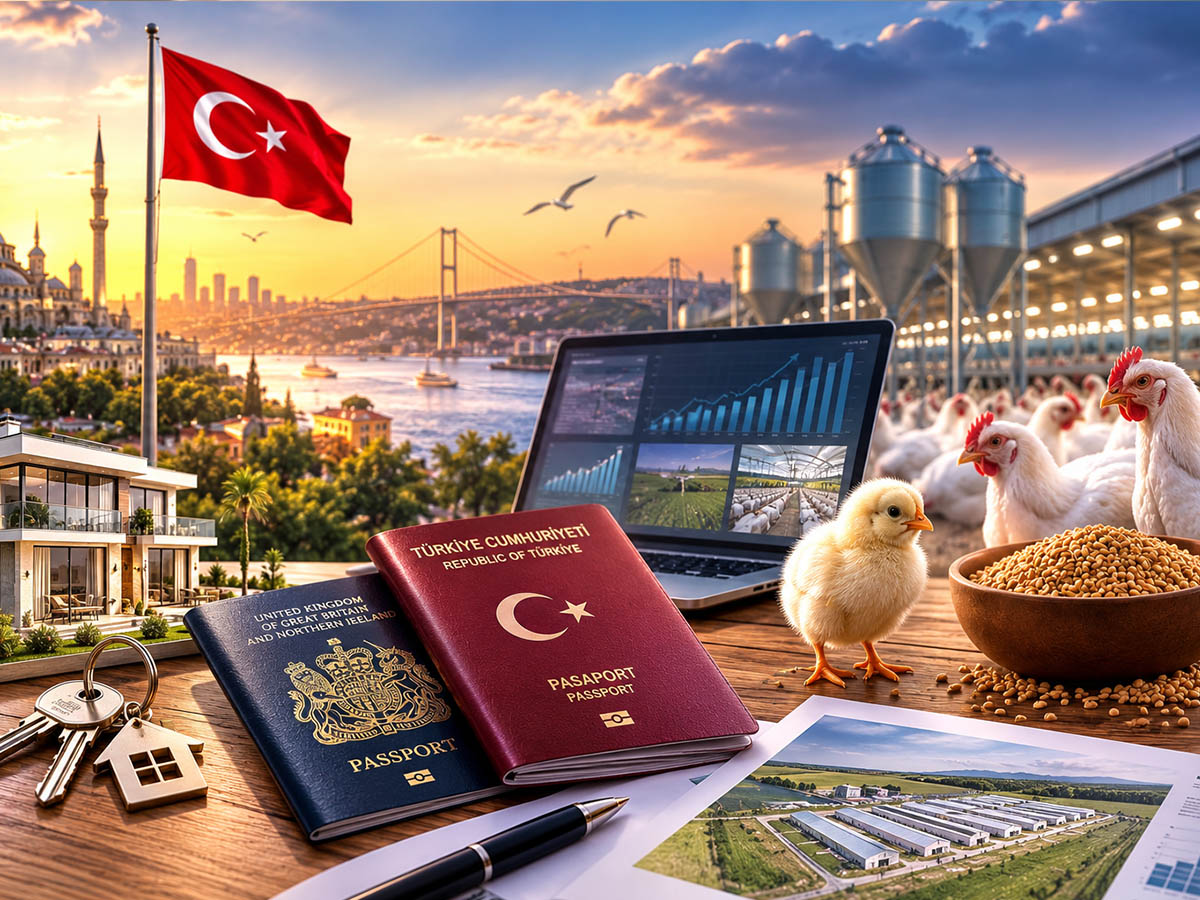
For many British investors, obtaining a second citizenship is no longer viewed as an end goal. Instead, it has become part of a wider investment strategy focused on international diversification, wealth preservation and access to emerging markets. As a result, Turkish citizenship by investment UK has attracted increasing attention from investors seeking opportunities beyond the domestic market.
While property remains the most recognised investment associated with Türkiye's Citizenship by Investment programme, experienced investors are increasingly asking a different question:
What comes after obtaining Turkish citizenship?
The answer often lies in Türkiye's productive economy.
Rather than focusing solely on residential property, many international investors are beginning to explore sectors that generate long-term economic value. Agriculture, food production and modern poultry farming are becoming particularly attractive due to growing global demand, technological advancement and the strategic importance of food security.
Türkiye offers far more than an opportunity to acquire citizenship. It provides access to one of the world's most dynamic agricultural economies, creating opportunities for investors who wish to participate in productive industries with long-term growth potential.
Turkish Citizenship by Investment and Access to Türkiye's Growing Economy
The Turkish Citizenship by Investment programme was introduced to encourage foreign direct investment while providing eligible applicants with the opportunity to become Turkish citizens under specific legal conditions.
For many British investors, the programme represents the first step towards establishing a long-term relationship with Türkiye.
Once investors become familiar with the country's business environment, many begin looking beyond traditional real estate. They discover a diverse economy supported by manufacturing, logistics, tourism, renewable energy and one of Europe's strongest agricultural sectors.
Unlike short-term speculative investments, productive sectors generate value by supporting real economic activity.
This shift reflects a broader global trend. Institutional investors, family offices and experienced entrepreneurs are increasingly allocating capital to industries linked to essential human needs rather than purely financial assets.
Food production is one of those industries.
Why Agriculture Is Becoming a Strategic Investment
Over the past decade, agriculture has become one of the world's most closely watched investment sectors.
Population growth, changing dietary habits and increasing concerns about food security have transformed agricultural production into a strategic global industry.
Regardless of economic cycles, demand for food continues.
This is one of the reasons why investors increasingly favour productive agricultural assets that support long-term sustainability.
Türkiye is particularly well positioned to benefit from this trend.
The country enjoys favourable climatic conditions, extensive agricultural land, a skilled workforce and strong export connections across Europe, the Middle East and Asia.
Government investment in infrastructure, logistics and agricultural production has further strengthened Türkiye's role within international food supply chains.
For British investors looking beyond conventional property investments, agriculture offers exposure to a sector driven by long-term global demand rather than short-term market sentiment.
Modern Poultry Farming: A New Generation Investment Opportunity
Among Türkiye's agricultural industries, modern poultry farming has emerged as one of the fastest-growing investment sectors.
The global demand for poultry meat continues to increase because it remains one of the world's most affordable, efficient and widely consumed sources of animal protein.
Meeting this demand requires highly sophisticated production systems.
Today's commercial poultry facilities are no longer traditional farms.
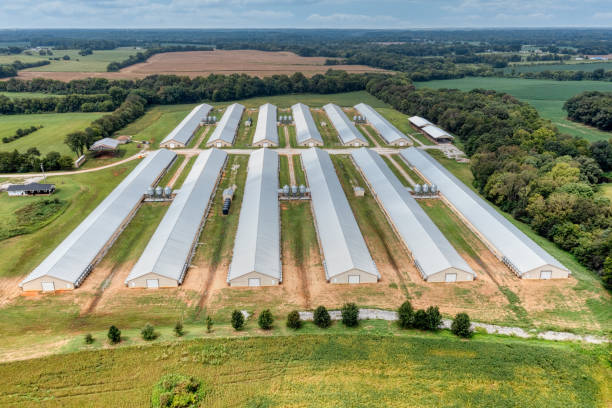
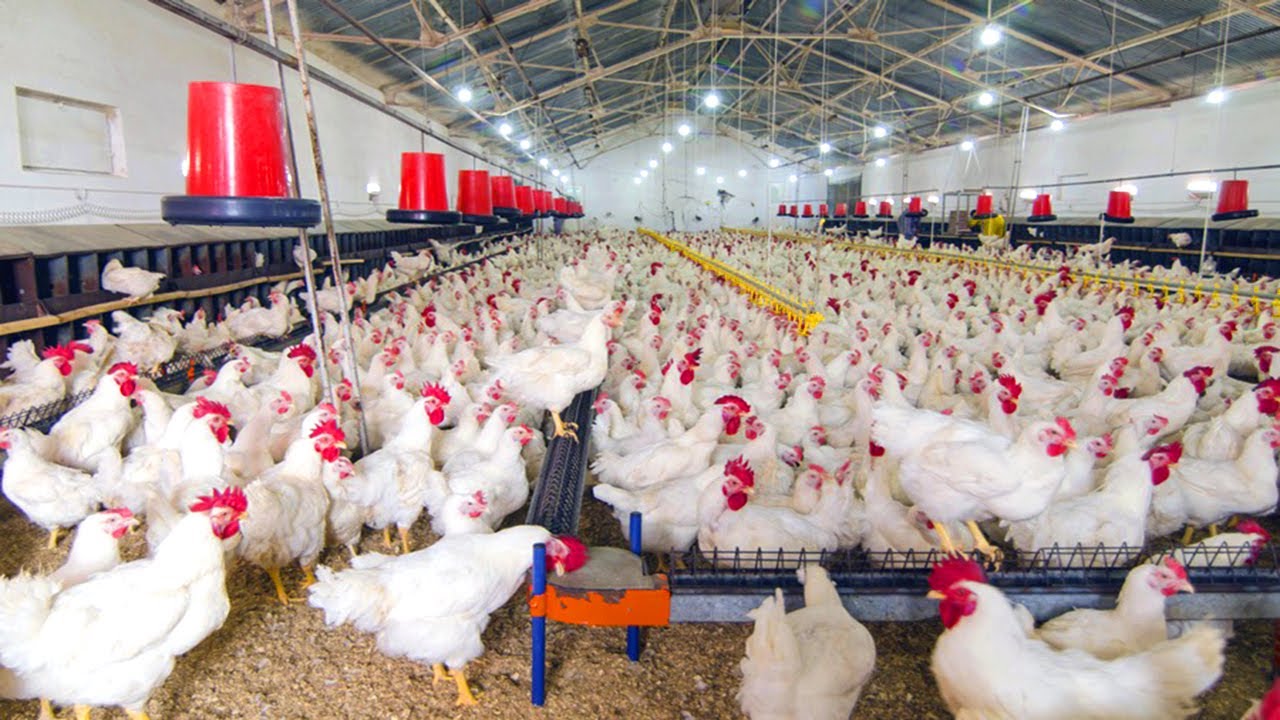
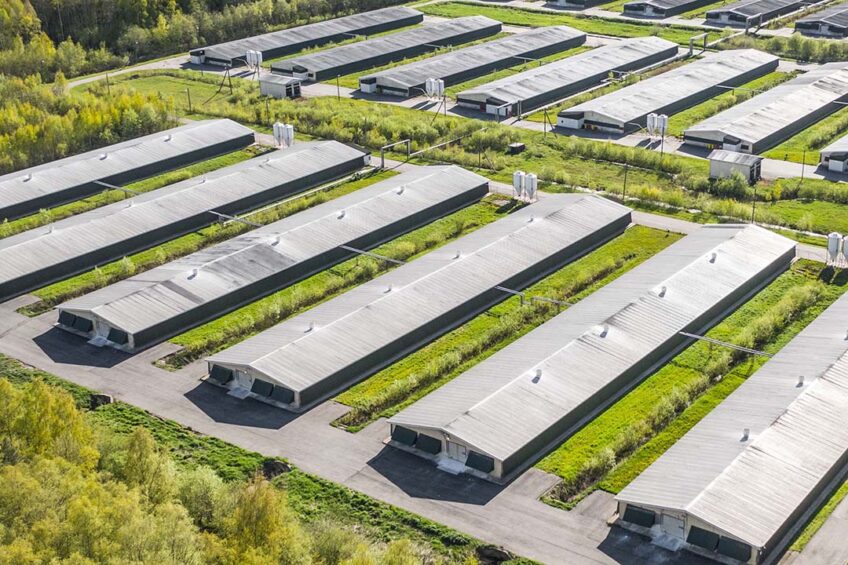
They operate as advanced food production centres using automated feeding systems, climate-controlled housing, digital monitoring technology and strict biosecurity protocols designed to maximise efficiency while maintaining high animal welfare and food safety standards.
Professional management also plays a significant role.
Rather than requiring investors to operate farms themselves, many modern poultry projects are managed by experienced agricultural teams responsible for production, operational efficiency and day-to-day management.
This creates an investment model that is fundamentally different from traditional farming.
Instead of relying on manual operations, investors participate in professionally managed agricultural infrastructure supported by modern technology and established production systems.
As food demand continues to rise worldwide, this model is attracting increasing interest from international investors seeking exposure to productive assets.
Why British Investors Are Looking Beyond Property
Property has traditionally been the first choice for many international investors entering Türkiye.
However, experienced investors understand the importance of diversification.
A balanced portfolio may include residential property, commercial assets and productive sectors that respond to different economic conditions.
Agriculture offers a different type of investment.
Rather than focusing solely on capital appreciation, agricultural investments are linked to production, infrastructure and global food demand.
Modern poultry farming reflects this approach.
Its long-term relevance is supported by population growth, increasing protein consumption and continuous technological development.
For investors who already have experience in property or financial markets, productive agricultural sectors can provide valuable diversification within an international portfolio.
Türkiye's Strategic Position in Global Food Production
Türkiye occupies one of the most important geographical positions in international trade.
Located between Europe, Asia and the Middle East, the country provides efficient access to major consumer markets and established export routes.
This strategic location is particularly valuable for agricultural production.
Modern logistics infrastructure, developed transportation networks and strong regional demand allow Türkiye to play an increasingly important role in global food supply.
As governments and investors place greater emphasis on food security, countries capable of producing food efficiently are expected to remain strategically significant for decades to come.
This creates opportunities not only for agricultural businesses but also for long-term international investors.
Conclusion
For many British investors, Turkish Citizenship by Investment is the beginning of a much larger journey rather than the final destination.
While citizenship provides access to new opportunities, Türkiye's real long-term value lies within its productive economy.
Agriculture and modern poultry farming represent sectors supported by global demand, advanced production technologies and one of the world's most strategically located food-producing nations.
As investment priorities continue to shift towards essential industries, productive agricultural assets are becoming an increasingly important part of diversified international portfolios.
For UK investors seeking opportunities beyond traditional real estate, Türkiye offers not only a second citizenship but also access to sectors helping shape the future of global food production.