How UK Investors Can Earn Passive Income from Turkish Farms
17 Jun 2026
For many people seeking reliable returns outside traditional financial markets, finding a sustainable source of passive income has become increasingly important. In recent years, passive income investment UK opportunities have expanded beyond property portfolios, dividend stocks, and savings products. One area attracting growing interest from British investors is agricultural investment, particularly professionally managed farming projects in Türkiye.
As global demand for food continues to rise, agricultural assets are becoming an attractive option for investors looking to diversify their portfolios while generating long-term income. Turkish farms, in particular, offer a unique combination of operational efficiency, agricultural expertise, and ownership opportunities that appeal to investors seeking stable, asset-backed returns.
In this guide, we explore how UK investors can earn passive income through Turkish farming projects and what factors should be considered before investing.
Why Turkish Farms Are Becoming a Popular Passive Income Investment for UK Investors
Agriculture has always been one of the world's most essential industries. Regardless of economic conditions, people continue to consume food, making agricultural production a sector with consistent long-term demand.
Türkiye has established itself as one of the leading agricultural producers in the region. The country benefits from favourable climate conditions, extensive agricultural expertise, and strong domestic and export markets. These factors create an environment where modern farming operations can operate efficiently and scale production effectively.
For British investors, Turkish agricultural projects often provide access to opportunities that may be difficult or expensive to replicate in the UK. Lower development costs, large-scale farming infrastructure, and professional management structures contribute to the appeal of these investments.
Unlike traditional buy-to-let property investments, where landlords often face maintenance responsibilities and tenant-related issues, professionally managed farms are designed to operate with minimal investor involvement. This allows investors to focus on receiving income while experienced agricultural teams handle day-to-day operations.
How Passive Income from Turkish Farms Works
One of the most attractive aspects of agricultural investment is the ability to participate in food production without becoming a farmer.
Modern investment models typically allow investors to purchase ownership rights to a farm asset or agricultural production unit. Once ownership is established, professional operators manage the entire production process, including staffing, maintenance, animal welfare, feeding programmes, harvesting, logistics, and sales.
Depending on the project structure, investors may receive income generated through agricultural production activities.
Common features of professionally managed farm investments include:
- Asset ownership
- Professional operational management
- Scheduled income distributions
- Transparent reporting
- Long-term production planning
- Maintenance and technical support
This structure creates an opportunity for investors to benefit from agricultural revenues without requiring specialist farming knowledge or daily operational involvement.
For many British investors, this represents a practical way to access alternative assets while maintaining a hands-off investment approach.
Benefits of Investing in Turkish Farms for Passive Income
There are several reasons why Turkish farming projects are increasingly appearing on the radar of UK investors seeking alternative income streams.
Tangible Asset Ownership
Unlike many financial products, agricultural investments are backed by physical assets. Investors gain exposure to real infrastructure involved in food production rather than purely paper-based investments.
Growing Global Food Demand
Population growth and changing consumption patterns continue to drive demand for agricultural products. Food production remains a critical global industry, creating long-term opportunities for efficient farming operations.
Portfolio Diversification
Agricultural investments often behave differently from stock markets and property sectors. This can help investors diversify risk across multiple asset classes and reduce dependence on a single market.
Potential for Recurring Income
Many professionally managed agricultural projects are designed to generate income through ongoing production cycles. While returns vary depending on market conditions and operational performance, the recurring nature of food production can provide attractive long-term opportunities.
Reduced Management Burden
One of the key attractions for British investors is the passive nature of professionally managed farming projects. Investors are typically not responsible for operational decisions, staffing, maintenance, or production management.
Why Poultry and Livestock Farms Are Attracting British Investors
Among the various agricultural sectors available, poultry farming has become particularly popular with international investors.
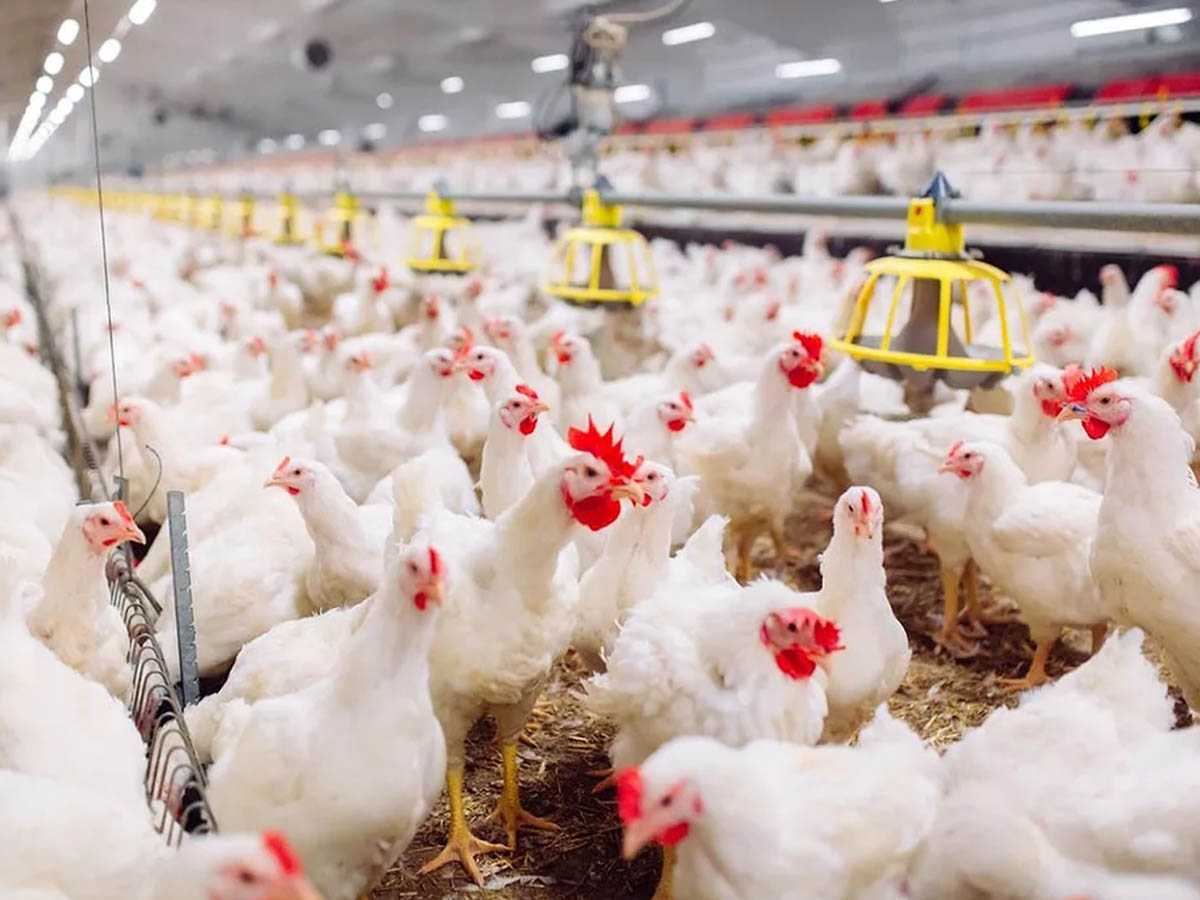
Chicken remains one of the most widely consumed protein sources worldwide. Demand continues to grow due to affordability, accessibility, and changing dietary preferences. As a result, professionally managed poultry farms often benefit from established supply chains and predictable production cycles.
Livestock projects can also provide exposure to growing food demand while benefiting from modern production technologies and professional farm management.
Many Turkish agricultural investment projects are built around integrated production systems that combine advanced infrastructure with experienced operational teams. This can help improve efficiency and support long-term production performance.
For investors seeking exposure to food production rather than commodity speculation, these types of projects offer a more direct connection to underlying agricultural activity.
Key Considerations Before Investing
Although agricultural investments can offer attractive opportunities, careful research remains essential.
Investors should evaluate several factors before committing capital:
- The experience of the management team
- Ownership structure and legal protections
- Transparency of projected returns
- Operational track record
- Production contracts and partnerships
- Exit options and liquidity
- Currency considerations
- Local regulatory environment
Understanding how income is generated and what risks may affect performance is an important part of any investment decision.
As with any asset class, agricultural investments involve risks and should be considered as part of a diversified investment strategy rather than a guaranteed source of returns.
Final Thoughts
As investors continue searching for alternatives to traditional financial markets, Turkish farming projects are attracting increasing attention from the UK investment community.
The combination of tangible asset ownership, professional management, growing global food demand, and the potential for recurring income makes agricultural investments an interesting option for those seeking diversification and long-term value.
For British investors interested in exploring opportunities beyond stocks, bonds, and property, professionally managed Turkish farms may provide a practical route towards building a passive income portfolio while participating in one of the world's most essential industries.
With careful due diligence and a clear understanding of the investment structure, Turkish agricultural projects can offer a compelling addition to a modern investment portfolio in 2026 and beyond.