Poultry Farm Investment UK 2026 — A Guide for British Investors
13 Jun 2026
As investors across the United Kingdom continue searching for opportunities that combine long-term stability with attractive returns, agriculture is becoming an increasingly appealing sector. Among the various agricultural assets available today, poultry farm investment UK opportunities are attracting significant attention from British investors looking to diversify their portfolios beyond traditional markets.
Rising global demand for poultry products, increasing food security concerns, and the resilience of agricultural production have all contributed to growing interest in professionally managed poultry farming projects. For UK-based investors seeking tangible assets with income-generating potential, poultry farming offers a compelling alternative to stocks, bonds, and property investments.
Why Poultry Farming Is Attracting Investors in 2026
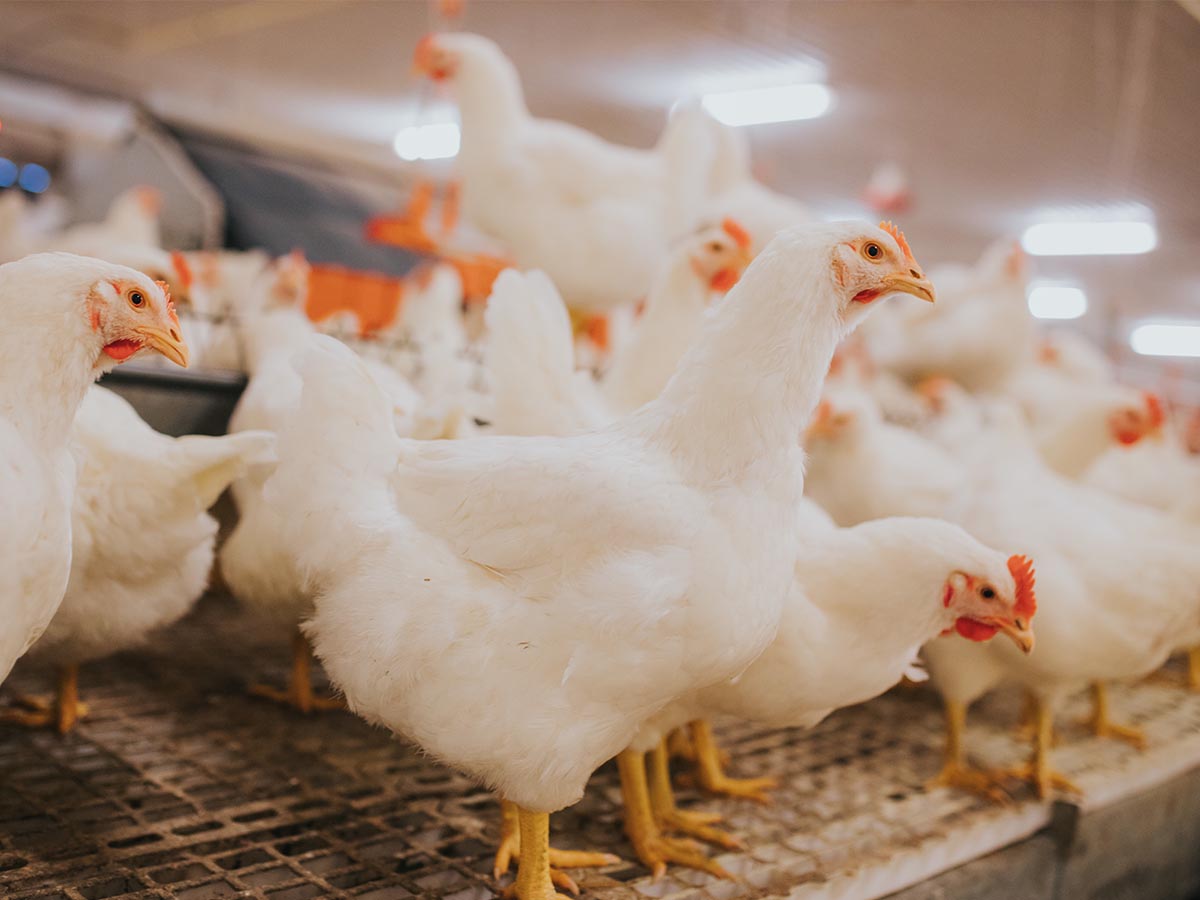
The global poultry industry continues to expand as chicken remains one of the most affordable and widely consumed sources of animal protein worldwide. Population growth, urbanisation, and changing dietary preferences have all contributed to consistent demand for poultry products.
Unlike many industries that experience dramatic fluctuations, poultry production benefits from ongoing consumer demand. Regardless of economic conditions, food remains an essential necessity, making agriculture one of the more resilient sectors during periods of market uncertainty.
For British investors, this presents an opportunity to gain exposure to a sector that is directly linked to global food production. While traditional investments may be influenced by interest rates, inflation, or market sentiment, agricultural assets often follow different economic drivers, providing valuable diversification benefits.
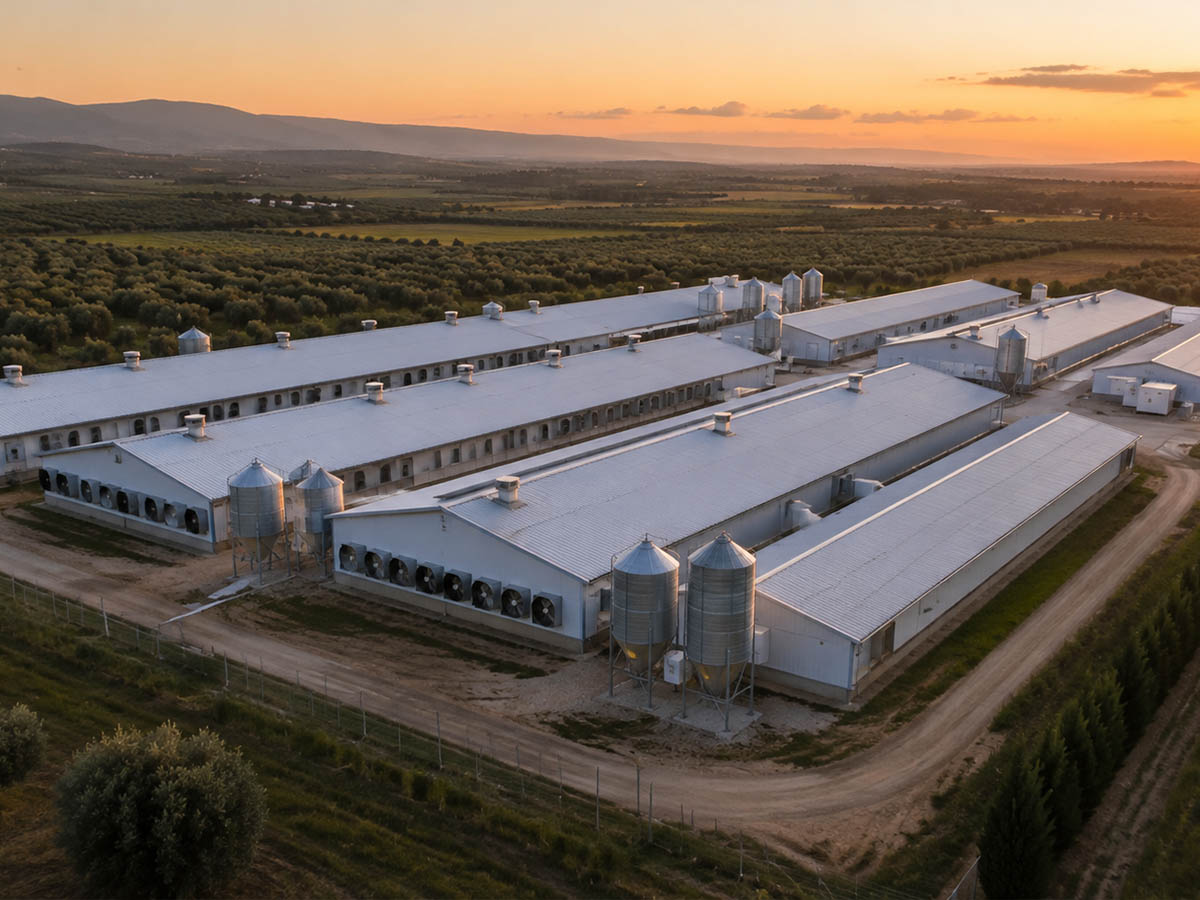
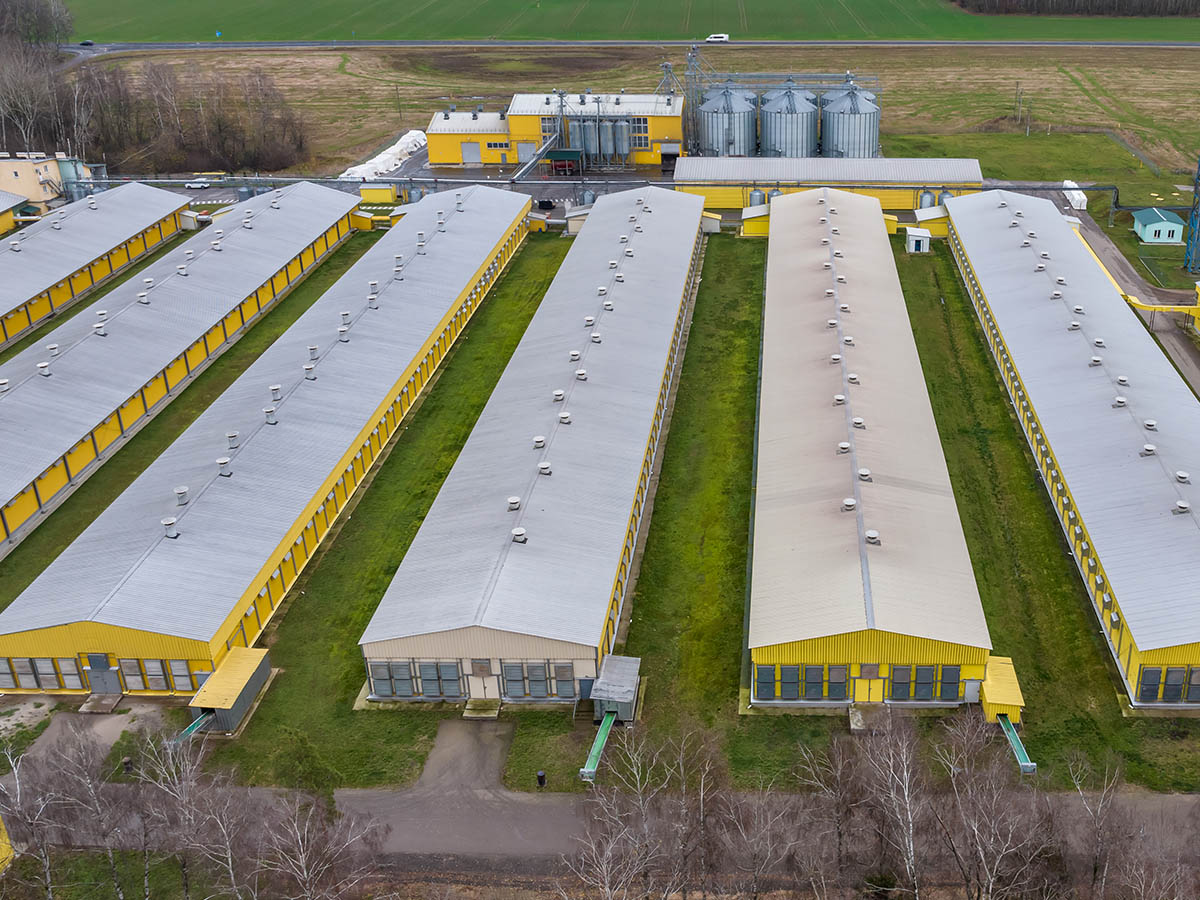
Another factor supporting investor interest is the increasing professionalisation of poultry farming operations. Modern facilities utilise advanced technology, automated feeding systems, climate-controlled environments, and professional management teams to maximise efficiency and productivity.
How Poultry Farm Investment Works for UK Investors
Many investors assume that agricultural investments require hands-on experience or direct involvement in farm management. However, modern poultry investment models have significantly simplified the process.
In professionally managed projects, investors typically acquire ownership of a poultry farm facility or a share of a production asset while operational responsibilities are handled by experienced agricultural professionals. This structure allows investors to participate in agricultural production without needing specialist farming knowledge.
A typical poultry farm investment may include:
Ownership of a poultry production facility
Long-term production agreements
Professional farm management
Regular maintenance and operational oversight
Revenue generated from poultry production cycles
Potential capital appreciation of agricultural assets
For British investors, international poultry farming projects have become particularly attractive due to lower operating costs and access to regions with strong agricultural infrastructure. Many overseas projects also offer income streams linked to major food production companies and established supply chains.
The combination of asset ownership and production-based revenue creates a unique investment profile that differs significantly from traditional financial products.
Benefits of Poultry Investment Opportunities for British Investors
One of the primary reasons investors consider poultry farming is the potential for attractive annual returns. Depending on the project structure, location, and operational performance, professionally managed poultry farms may generate competitive yields compared to many conventional investment vehicles.
Beyond potential returns, poultry farming offers several additional advantages.
Tangible Asset Ownership
Unlike shares or digital financial instruments, poultry farms are physical assets. Investors gain exposure to real infrastructure that contributes directly to food production.
Growing Global Demand
Chicken consumption continues to increase worldwide. As populations grow and protein demand rises, poultry producers remain well-positioned to benefit from long-term consumption trends.
Portfolio Diversification
Agricultural investments often perform differently from stock markets and property sectors. Including alternative assets such as poultry farms can help investors diversify risk across multiple asset classes.
Inflation Resistance
Agricultural assets have historically demonstrated some resilience during inflationary periods. Food production remains essential regardless of broader economic conditions, helping support demand for agricultural products.
Professional Management
Many modern investment models are fully managed, allowing investors to benefit from agricultural production without becoming involved in day-to-day operations.
What to Look for Before Making a Poultry Farm Investment
While poultry farming can present attractive opportunities, investors should approach any project with careful due diligence.
The quality of the management team is one of the most important factors to evaluate. Experienced operators with a proven track record can significantly influence operational performance and long-term profitability.
Investors should also examine the farm's infrastructure. Modern facilities equipped with automated systems, efficient ventilation, biosecurity measures, and climate control technologies are generally better positioned for sustainable production.
Contractual arrangements are another key consideration. Long-term agreements with established poultry integrators or food production companies can provide greater operational stability and visibility regarding future revenue generation.
Transparency is equally important. Reputable investment providers should clearly explain ownership structures, projected returns, operational responsibilities, fees, and risk factors.
For British investors considering overseas opportunities, it is also advisable to understand local regulations, land ownership rights, taxation implications, and currency exposure before making an investment decision.
Why International Poultry Projects Are Gaining Popularity in the UK
Many UK investors are increasingly exploring agricultural opportunities outside Britain. International poultry projects often offer access to larger production facilities, lower operating costs, and regions where poultry farming plays a central role in the agricultural economy.
Countries with established poultry industries frequently provide favourable conditions for large-scale production, including suitable climate conditions, skilled agricultural workforces, and integrated supply chains.
Some projects also offer title deed ownership structures, providing investors with direct ownership of physical assets rather than indirect exposure through financial products.
As global food demand continues to rise, professionally managed international poultry farms are becoming an increasingly attractive option for investors seeking long-term exposure to agricultural production and food security trends.
Final Thoughts on Poultry Farm Investment UK 2026
The investment landscape continues to evolve, and many British investors are looking beyond traditional assets in search of stable, income-generating opportunities. Poultry farming has emerged as a compelling option due to its connection to essential food production, growing global demand, and the availability of professionally managed investment structures.
For those seeking diversification, tangible asset ownership, and participation in one of the world's most important agricultural sectors, poultry farm investments deserve serious consideration.
As with any investment, careful research and due diligence remain essential. However, for investors willing to explore opportunities within the agricultural sector, poultry farming may offer an attractive combination of stability, growth potential, and long-term value in 2026 and beyond.